
Category: blog contents
-
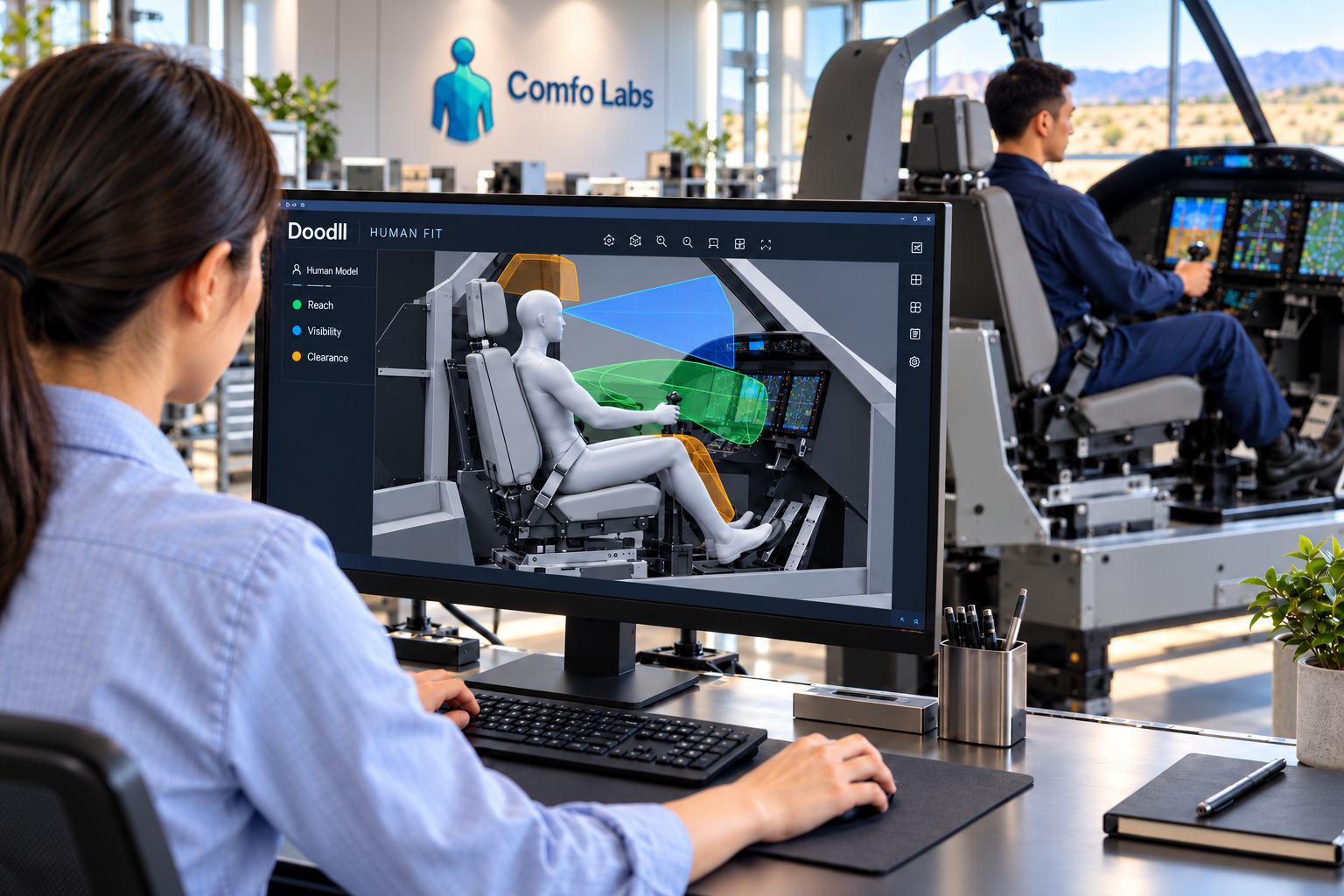
Cockpit Accommodation: Designing for Reach, Visibility, and Clearance
The Gap Between Individual Checks and a Usable Cockpit A cockpit can pass separate checks for reach, visibility, and clearance yet leave a pilot without a workable seating position. Pedal reach may be acceptable with…
-
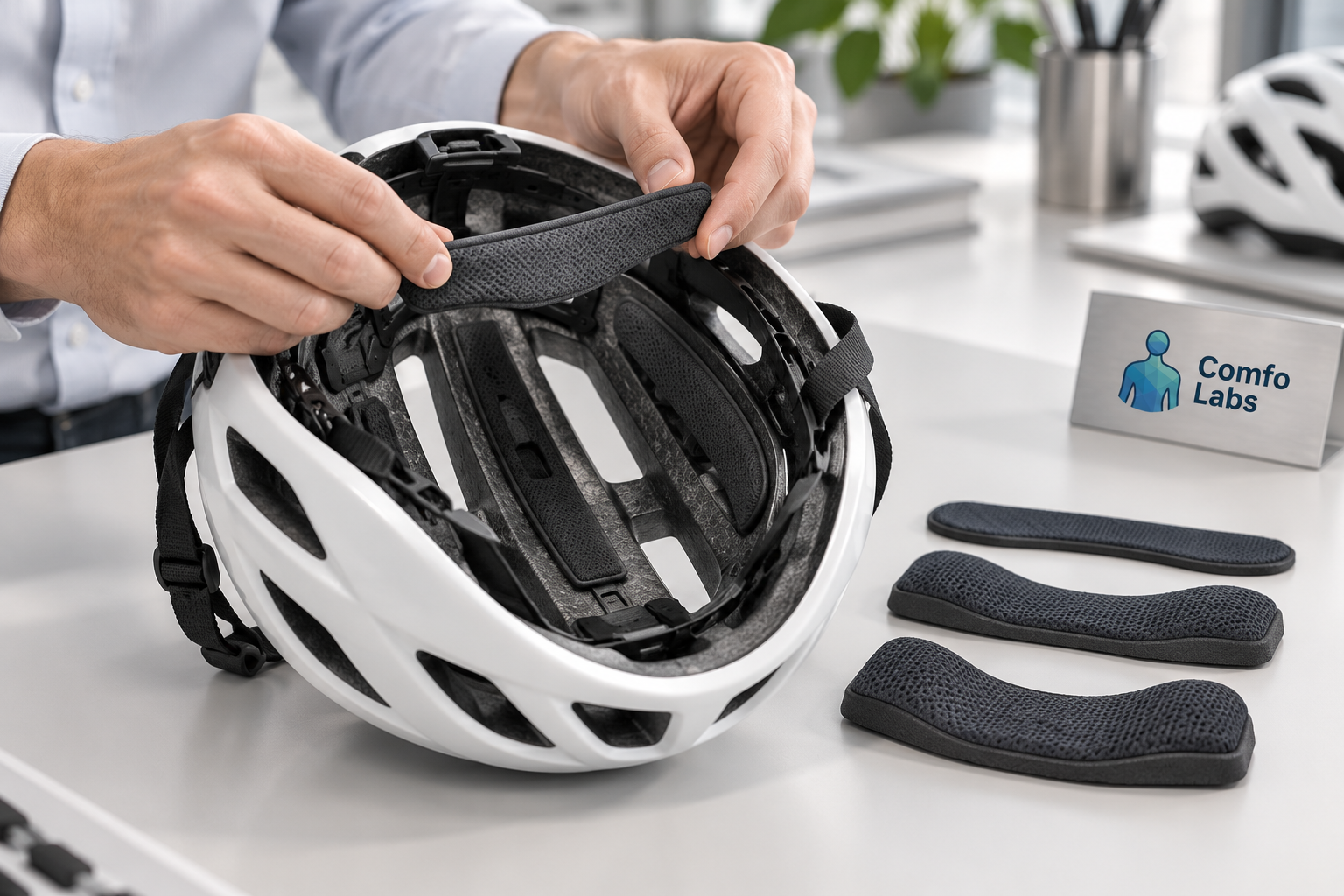
Helmet Fit and Sizing: Designing for Head Shape Variation
Head Shape as a Product Range Decision A wearer feels pressure across the forehead in a medium helmet, yet the large shifts when they turn their head. For the development team, this is a clue…
-

3D Foot Data for Footwear Design: Beyond Length and Width
Fit Variation Within a Single Size When a wearer sizes up to relieve forefoot pressure and ends up with heel slip, the original problem may have been the shoe’s proportions. Additional length has compensated for…
-
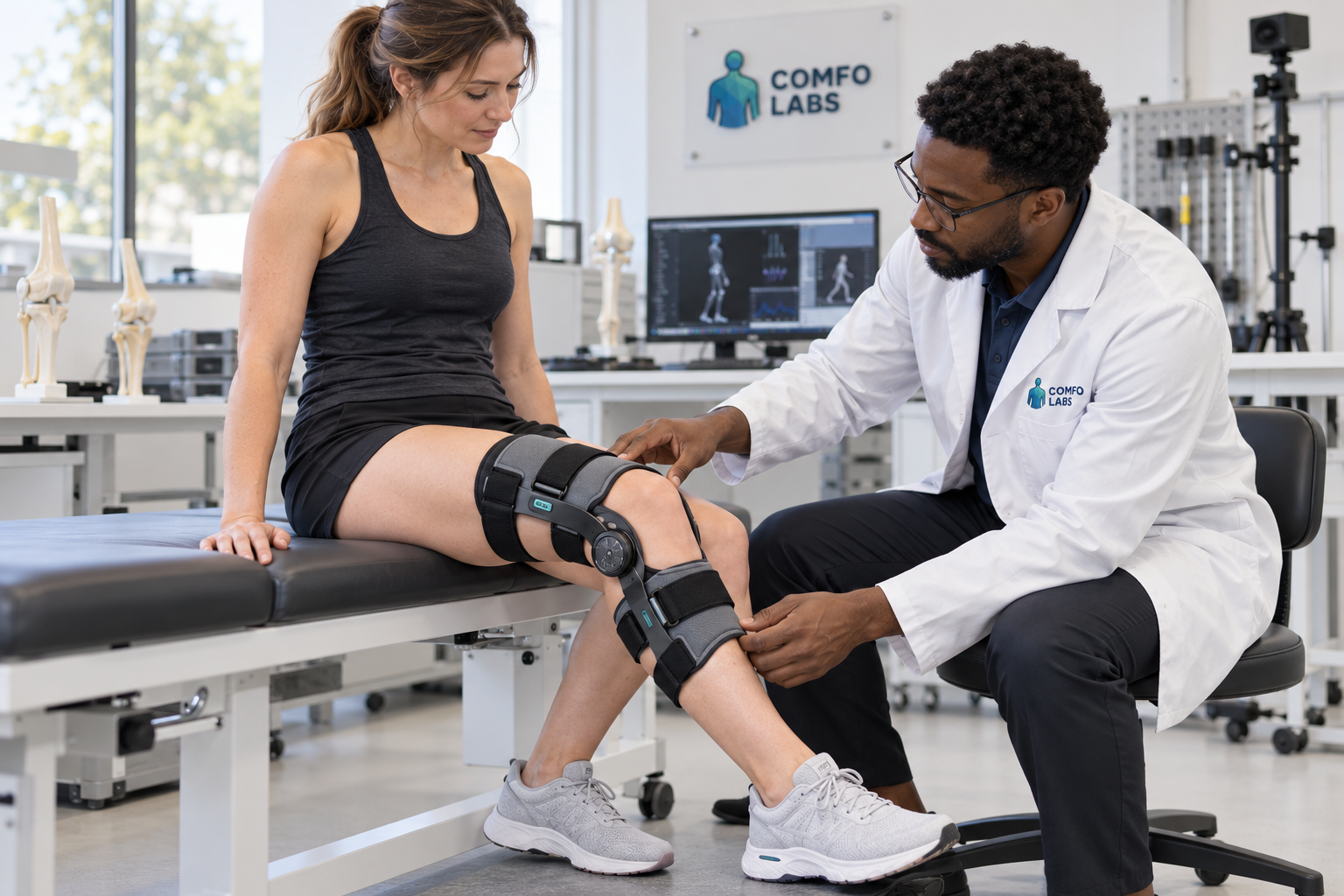
Sizing Wearable Medical Devices: Body Shape, Contact, and Adjustment Range
The Limits of Circumference-Based Sizing A wearable medical device can fall within a patient’s prescribed size range and still fit poorly. Consider an adjustable knee brace: two patients with the same thigh circumference may have…
-

Designing Products for Older Adults: Body Shape, Joint Mobility, and Posture
Functional Variation Behind Everyday Use A handle can sit within a user’s reach and still be difficult to operate. The person may need to lean away from a support surface, rotate a restricted shoulder, or…
-

Percentile Models vs. 3D Personas: Which Better Represents Your Target Users?
What the 5th, 50th, and 95th Percentiles Actually Represent A cordless drill may work well for three reference users and still present difficulties for people within its intended market. One user may struggle to reach…
-

How to Choose Anthropometric Data for Product Design
The Design Decision Behind the Data Requirement Choosing anthropometric data for product design begins with the engineering decision it needs to support. Consider firefighter protective clothing: establishing a size range, determining sleeve length, and shaping…
-

3D Human Body Data vs. Traditional Anthropometric Measurements: When Do You Need Each?
The Design Question Determines the Data A wearable can meet its sizing specification and still sit poorly against the body. A chair can offer the right adjustment range yet provide uneven support. These problems reveal…
-
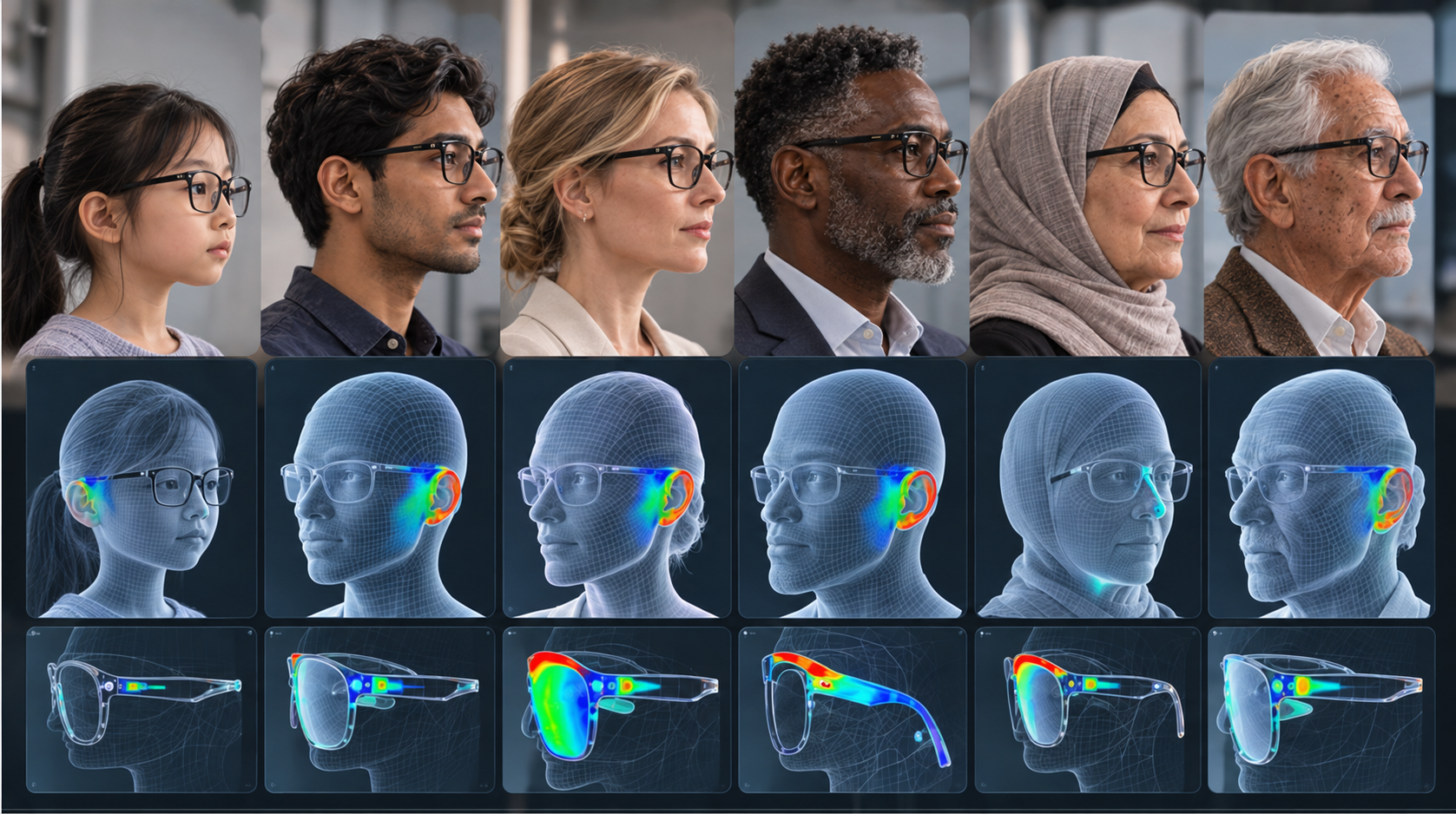
What Is Product-Human Fit? A Practical Framework for Physical Product Development
Product-Human Fit: The Relationship Between a Product, a Person, and a Task A wrist-worn sensor can meet its dimensional specifications and still lose skin contact when the wearer bends their wrist. The strap fastens, the…
-

Automotive Cockpit Design: Balancing Reach, Visibility, and Driver Posture
Driver Accommodation as a Cockpit Design Challenge An automotive cockpit has to accommodate drivers with different body dimensions, proportions, and preferred seating positions within a tightly constrained space. Drivers need a clear view of the…
-
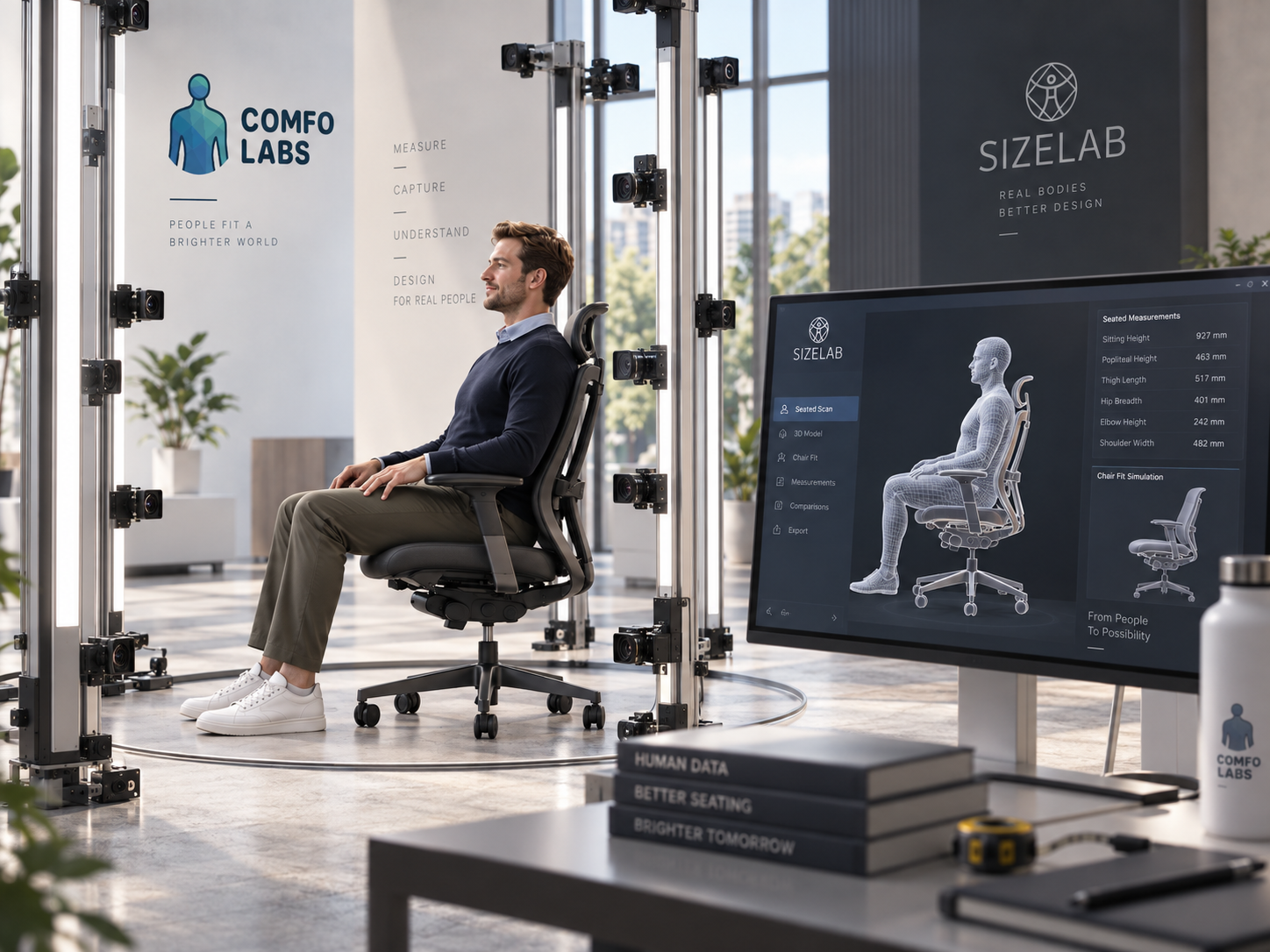
How 3D Human Body Data Improves Office Chair and Seating Design
Office Chair Design as a Population-Coverage Problem An office chair is rarely designed for one body. It must accommodate a population whose dimensions, proportions, shapes, and sitting postures vary considerably, often across different ages, sexes,…
-
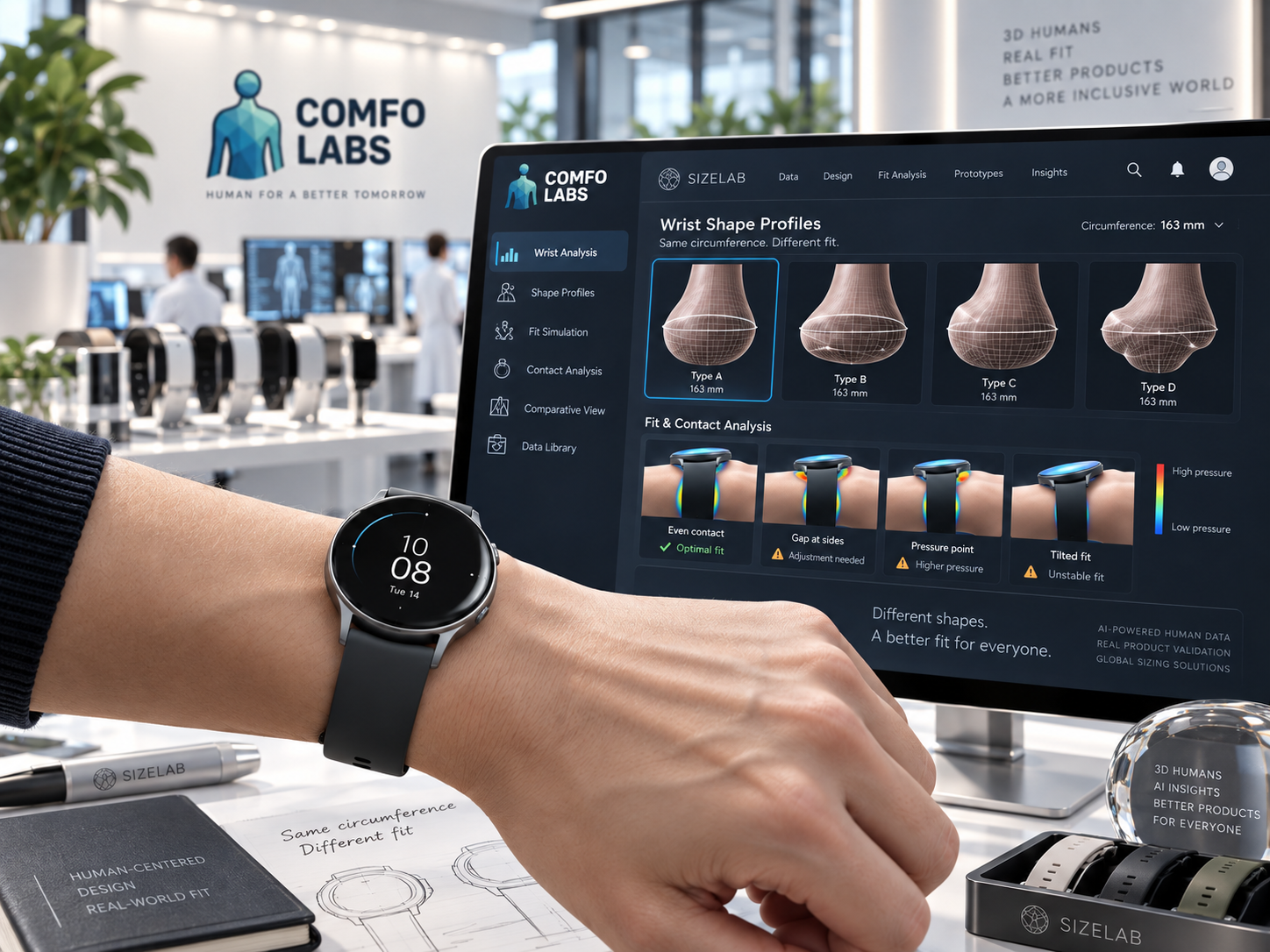
Human Data for Wearable Design: Wrist Geometry, Contact, and Dynamic Fit
The Wrist as an Engineering Surface A wrist-worn device has to do something unusually difficult: remain attached to a small, highly variable part of the body while preserving comfort, stability, access to controls, and, in…