
Tag: 3D human body data
-

AI Product Development Is Moving from Design Generation to Decision Intelligence
Decision Intelligence as the New Product Development Constraint Generative AI has dramatically lowered the cost of exploring product ideas. A written brief, sketch, reference image, or early requirement can now produce a much broader field…
-

The Next Advantage in AI Product Development Is Decision Confidence
Generation Is Accelerating. Decision-Making Is Becoming the Bottleneck. Generative AI is changing the economics of product exploration. Product teams can move from requirements and rough sketches to multiple visual concepts, design variations, and increasingly sophisticated…
-

AI Can Generate Designs. The Competitive Edge Is Knowing Which One to Build.
Design Abundance and the New Decision Bottleneck AI has made it dramatically easier to generate product concepts. It has not made it easier to know which one deserves to become a product. That distinction is…
-
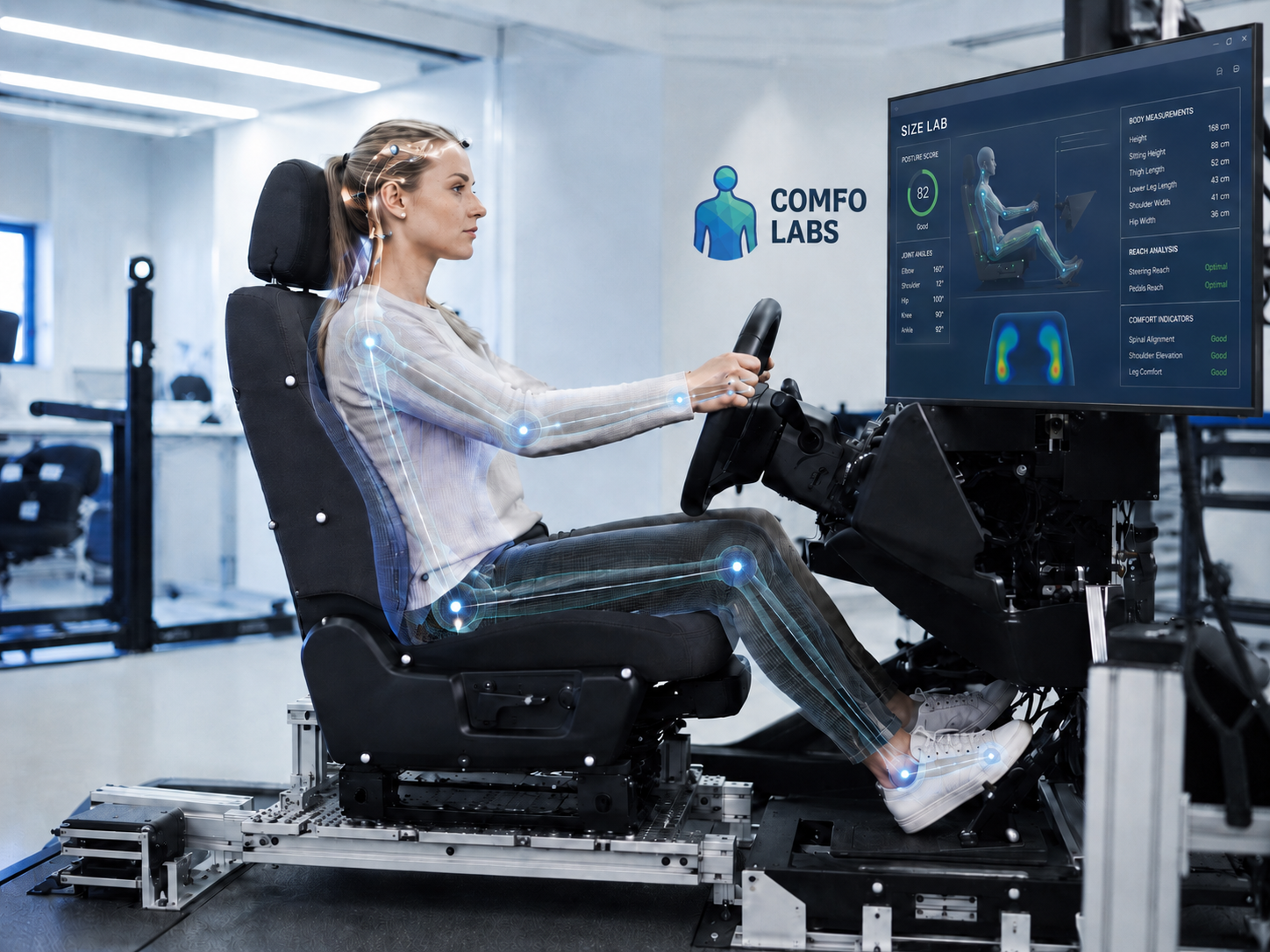
Product Development AI Needs to Understand Humans, Not Just Generate Designs
The Shift from Generating Designs to Making Product Decisions Generative AI has changed the speed and economics of early product development. A written requirement, rough sketch, or reference image can now become multiple visual concepts…
-
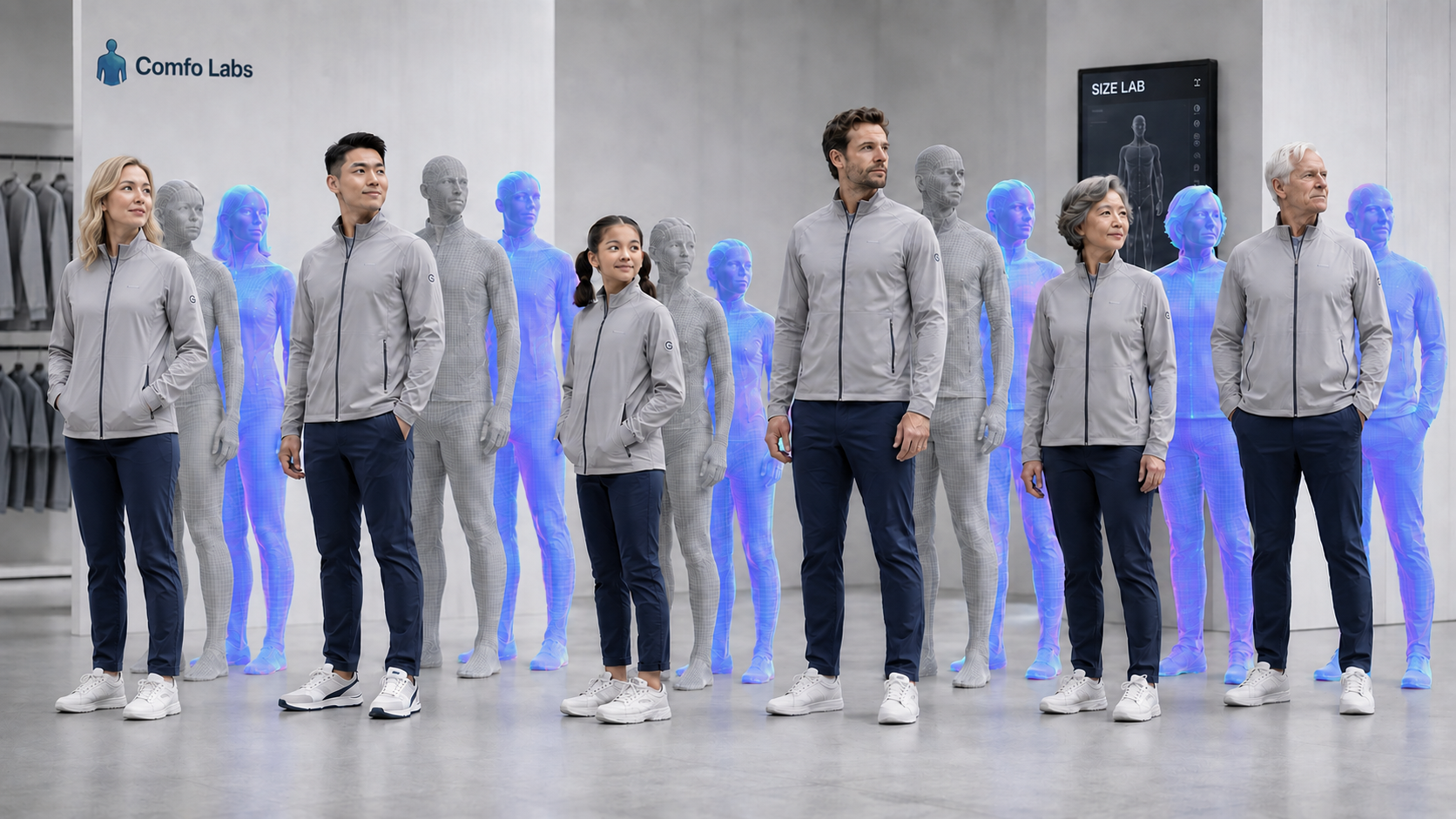
Why Large-Scale 3D Human Body Data Matters for AI-Driven Product Innovation
Product Innovation Becomes a Human Data Problem AI is rapidly changing the economics of product development. Generative systems can explore product concepts, create visual alternatives, reconstruct or generate 3D geometry, and help teams move from…
-

Human-in-the-Loop AI for Human-Centered Product Design and Validation
AI Is Expanding the Design Space Faster Than the Validation Space Generative AI is changing the economics of product exploration. Design teams can now produce sketches, generate form alternatives, reconstruct 3D geometry, and compare concepts…
-

Beyond Measurements: How 3D Body Scan Data Is Transforming Product Design
The Expansion of Human Data in Product Development For much of modern product development, the human body has been represented through a relatively small set of dimensions: stature, shoulder breadth, hand length, hip width, head…
-
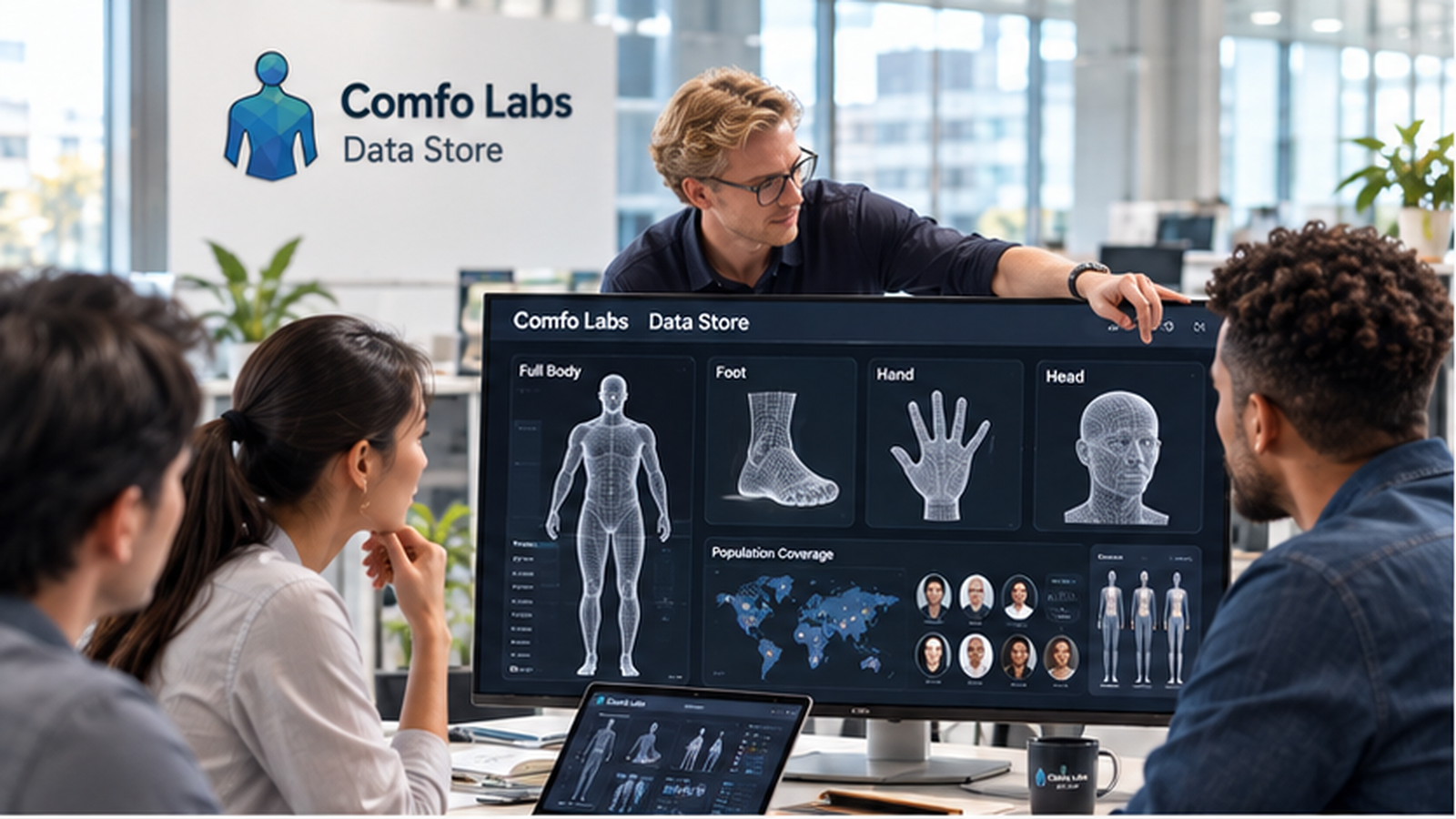
Buying Anthropometric Data Online: A Faster Path to Human-Centered Product Design
Anthropometric Data as Development Infrastructure Product teams have long used anthropometric data to determine dimensions, clearances, reach zones, adjustment ranges, and other physical requirements. What is changing is how that data enters the development process.…
-

From AI-Generated Design to Human-Fit Validation: A New Product Development Workflow
Generation Is Getting Faster. Product Decisions Are Not. Generative AI is rapidly changing the front end of physical product development. Product teams can move from written requirements or rough sketches to multiple visual concepts and…
-

Physical AI Is Entering the Human World
From Machine Environments to Human Environments Physical AI is moving intelligence out of the screen and into systems that perceive, decide, and act within the physical world. Robots are becoming more autonomous, vehicles are interpreting…
-
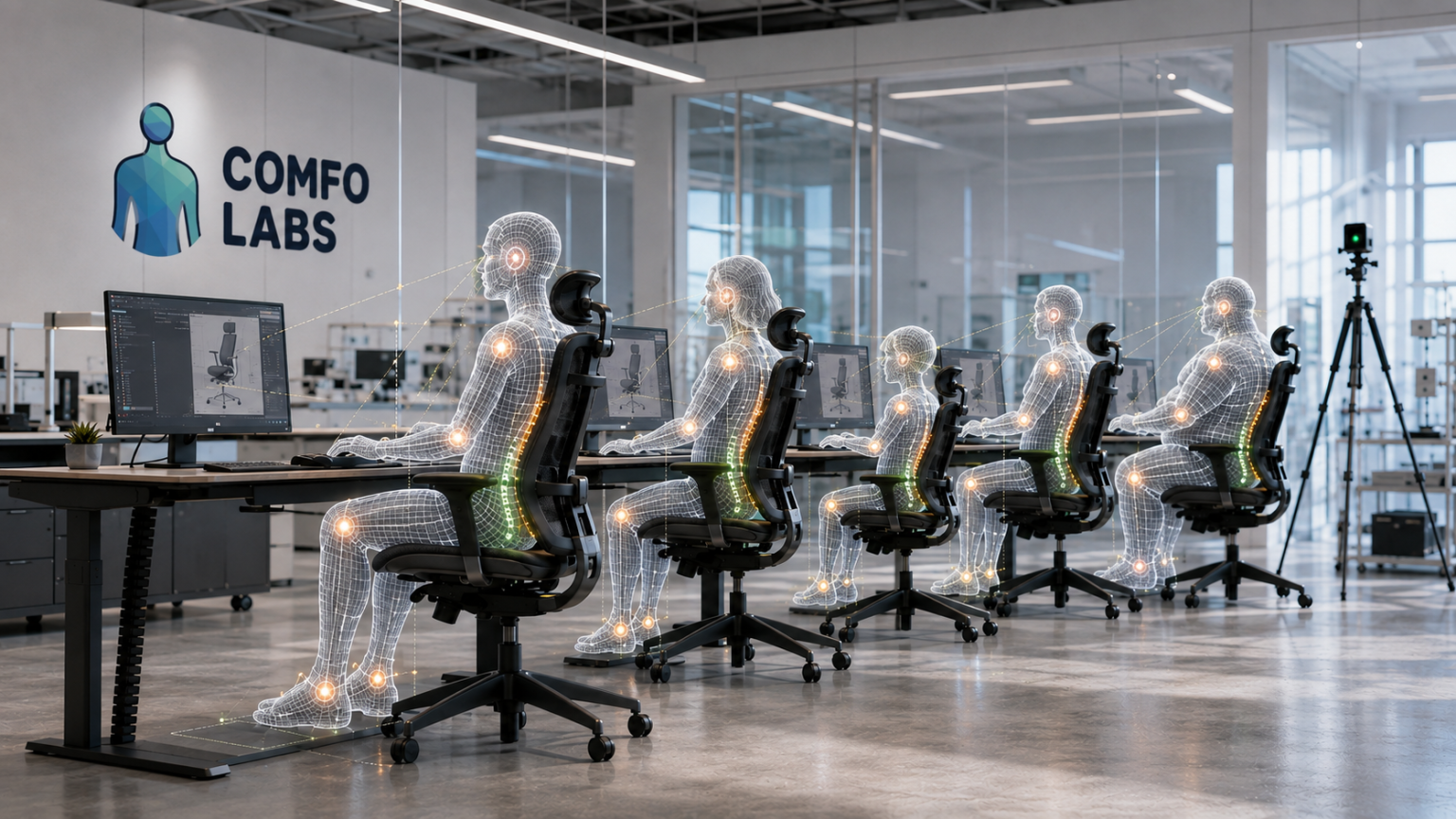
How to Validate Human Fit in AI-Designed Products with 3D Personas
From Faster Design Generation to Earlier Human Validation AI is compressing the front end of product development. Product teams can move from a written requirement or rough sketch to multiple visual concepts and increasingly sophisticated…
-
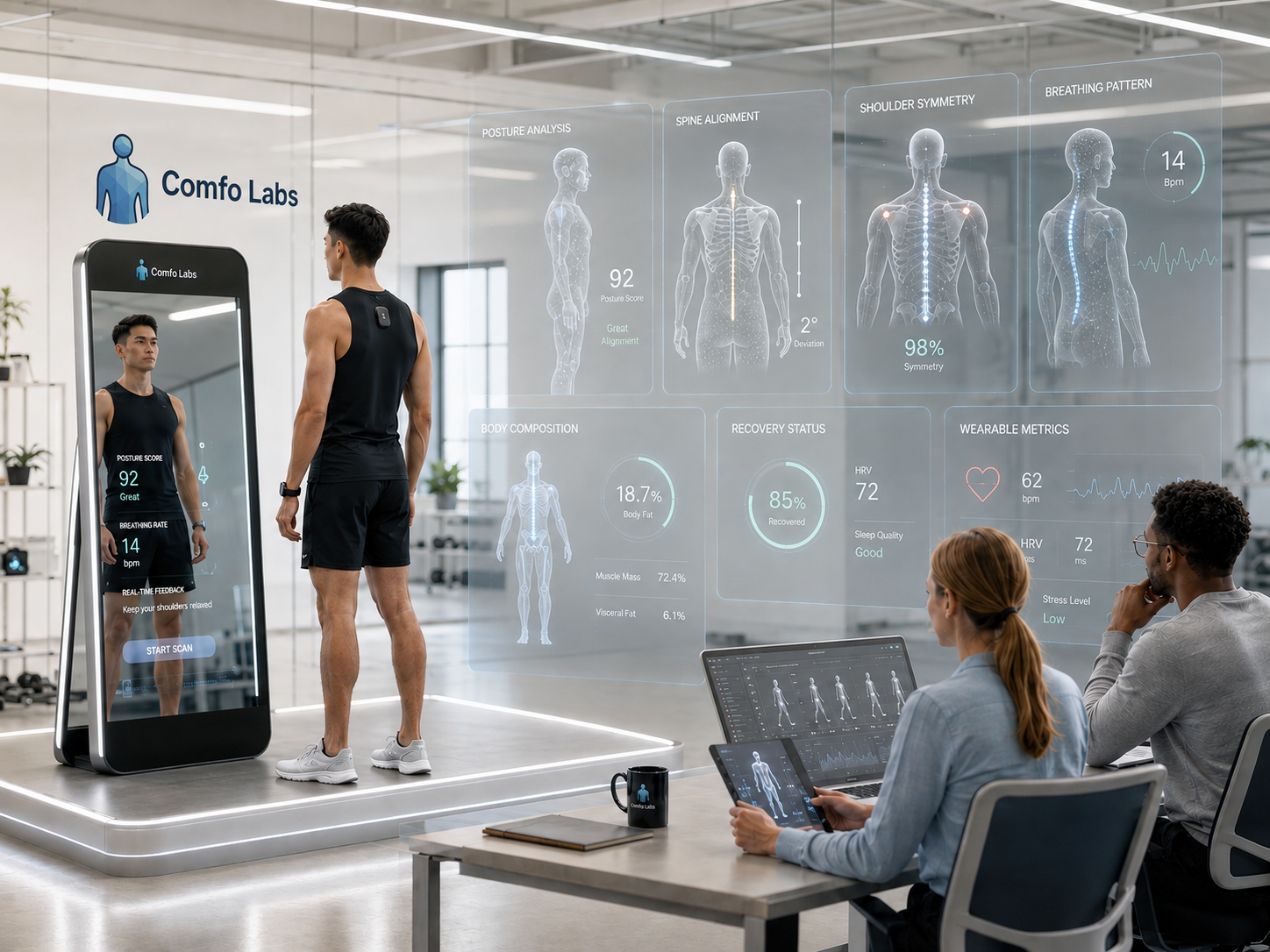
Teaching AI to Understand the Human Body: 3D Human Data, Digital Humans, and Product Validation
The Missing Human Layer in AI AI has become increasingly capable of interpreting language, images, environments, and product geometry. In product development, models can generate concepts, reconstruct 3D objects, explore design alternatives, and help engineers…