
Tag: ergonomic product design
-

Beyond Measurements: How 3D Body Scan Data Is Transforming Product Design
The Expansion of Human Data in Product Development For much of modern product development, the human body has been represented through a relatively small set of dimensions: stature, shoulder breadth, hand length, hip width, head…
-
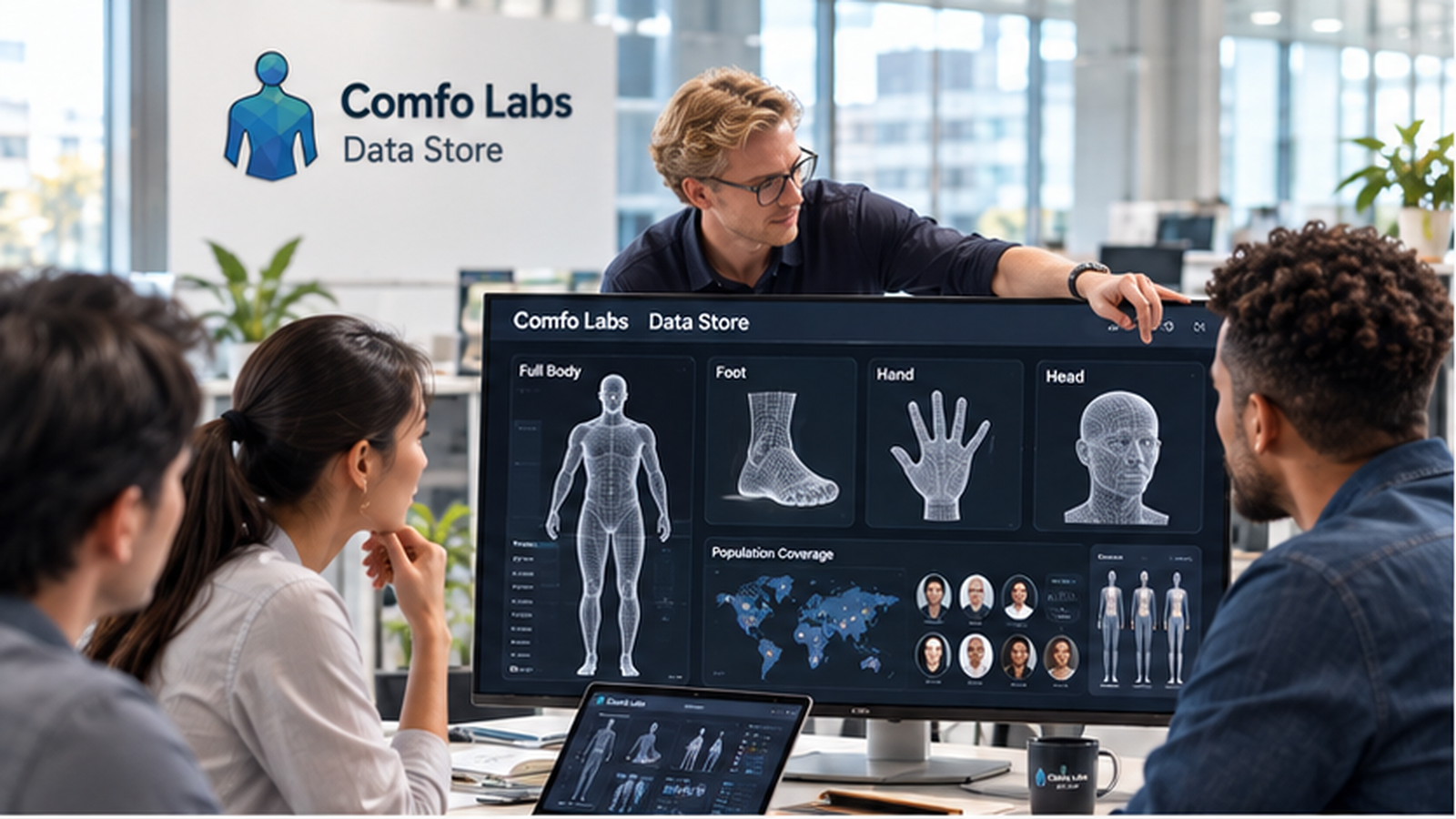
Buying Anthropometric Data Online: A Faster Path to Human-Centered Product Design
Anthropometric Data as Development Infrastructure Product teams have long used anthropometric data to determine dimensions, clearances, reach zones, adjustment ranges, and other physical requirements. What is changing is how that data enters the development process.…
-

How Comfo Labs Data Store Accelerates Human-Centered Product Development
The Human Data Bottleneck in Modern Product Development Product development is becoming faster, more digital, and more dependent on evidence. AI-assisted ideation can generate product concepts in minutes, cloud-based engineering tools can connect distributed teams,…
-

Beyond Generative Design: The Rise of Human-Aware AI Agents in Product Development
The Shift from Product Generation to Design Judgment Generative AI has already changed the front end of product development. A text prompt can produce concept images, visualize rough sketches, generate design variations, and increasingly contribute…
-
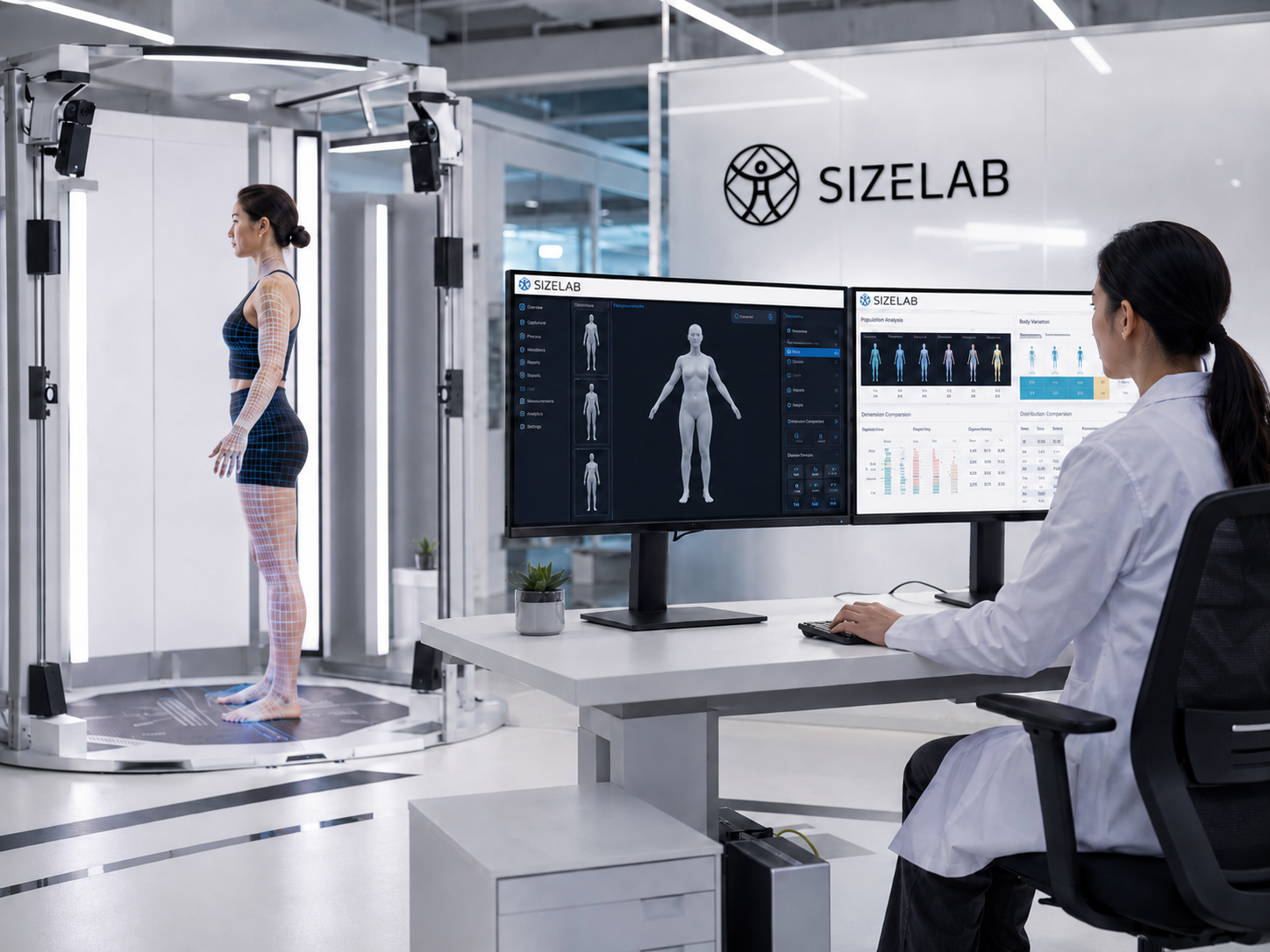
SIZE LAB: Turning 3D Human Body Data into Better Product Decisions
The Limits of Designing Around a Representative User Product teams have access to more user data than ever before, yet one of the most important sources of design intelligence remains difficult to use: the human…
-

How Digital Human Simulation Validates Products Before Physical Prototyping
Product Validation Moving Upstream For decades, physical prototypes have served as the moment when product teams discover whether a design actually works for the people expected to use it. A concept may appear technically credible…
-

3D Human Body Data and Ergonomics for Next-Generation Product Design
Product Design at the Intersection of Hardware, Software, and the Human Body Products are no longer judged solely by whether their mechanical or digital components function as intended. A vehicle interior must accommodate different body…
-

From AI-Generated Products to Human Fit Validation
Generative AI and the New Speed of Product Creation Generative AI is compressing the earliest stages of product development. Product teams can now turn written requirements into visual concepts, explore dozens of form variations, test…
-

From AI-Generated Products to Human Fit Validation
Generative Design and the New Speed of Product Ideation Generative AI is changing how product teams move from an idea to a visual concept. A designer can describe a product direction, generate multiple form variations,…
-
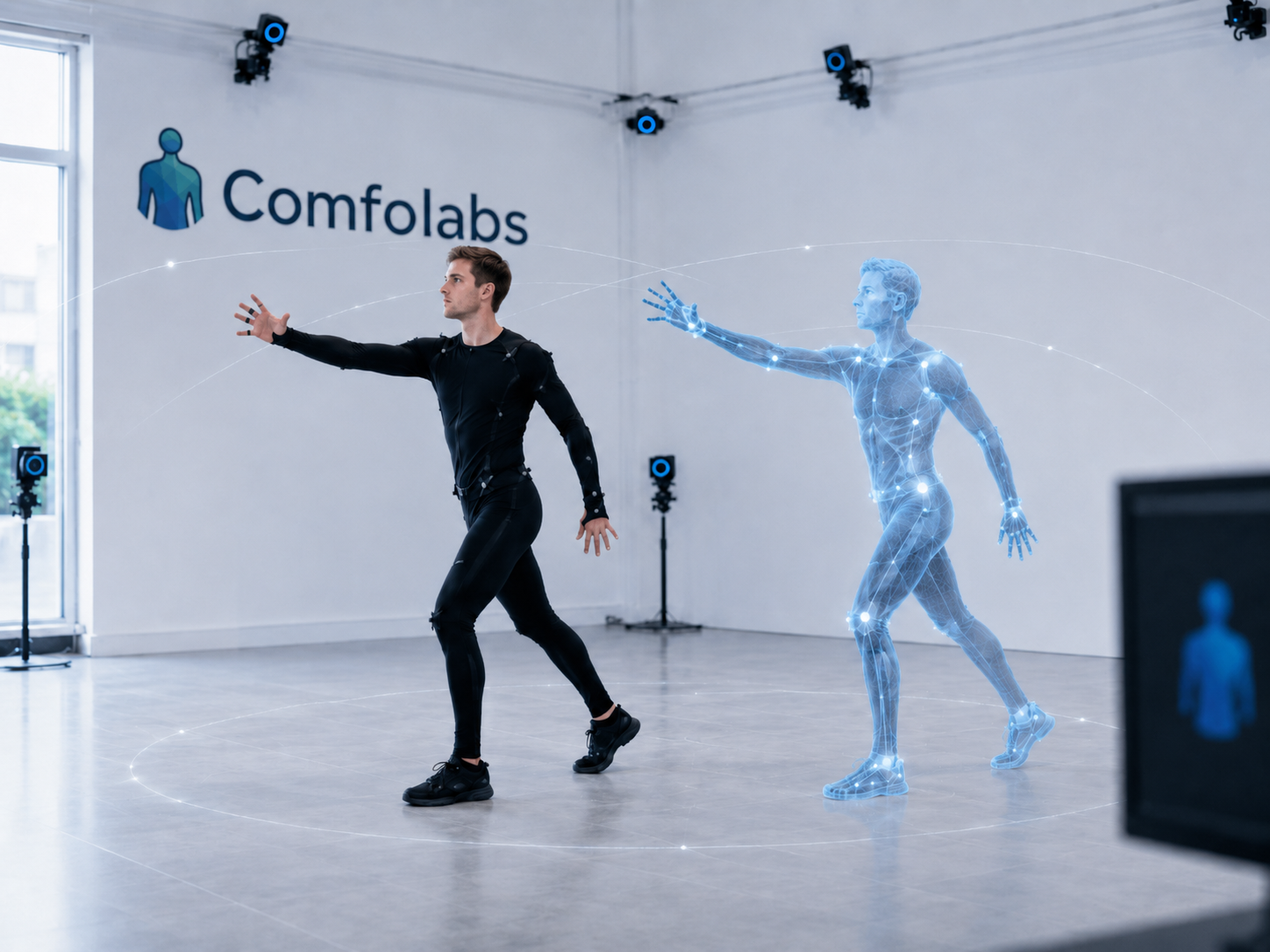
Why Digital Humans Need Movement Data, Not Just Body Measurements
The Shift from Digital Appearance to Human Behavior Digital humans were once designed primarily to reproduce the visible characteristics of the body. Height, body proportions, surface geometry, and basic demographic attributes were enough for visualization,…
-

Why Smart Glasses Need Better Facial Data for Fit, Comfort, and Performance
Smart Glasses Are More Than Electronics Worn on the Face Smart glasses are often evaluated by their displays, cameras, processors, and AI capabilities. But no matter how advanced the technology becomes, every smart-glasses system must…
-

Beyond Spinal Traction: How Human Body Data Is Shaping the Future of Decompression Therapy
Why Decompression Therapy Must Move Beyond Standardized Traction Spinal decompression devices have traditionally been developed around a relatively straightforward mechanical principle: applying controlled traction to reduce pressure on specific areas of the spine. This principle…