
Tag: Human Factors Engineering
-
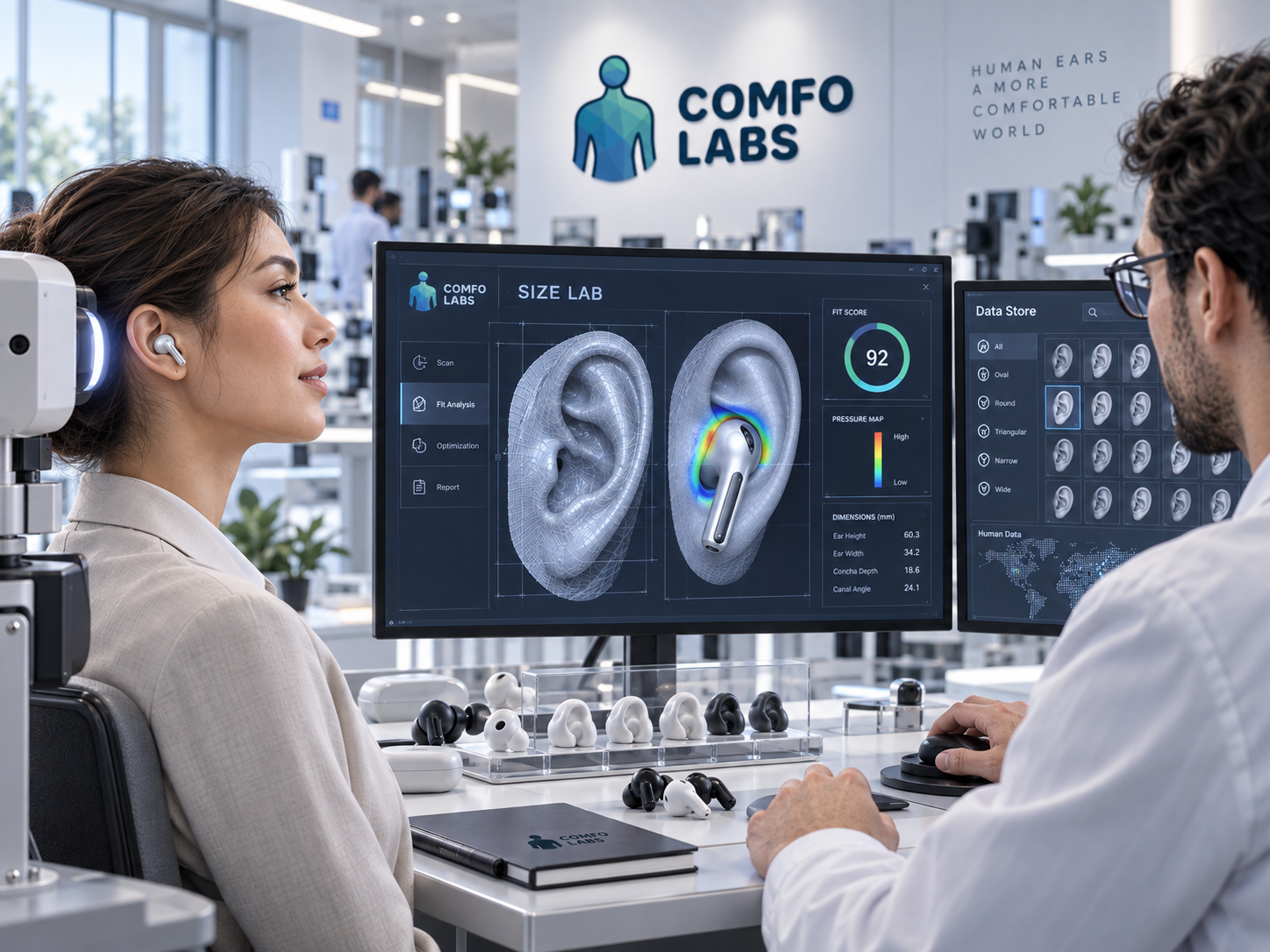
Designing Earbuds for Human Ear Diversity: Why Average Dimensions Are Not Enough
Earbud fit depends on ear shape diversity, not average dimensions. Learn how 3D ear data improves earbud comfort, stability and acoustic seal.
-
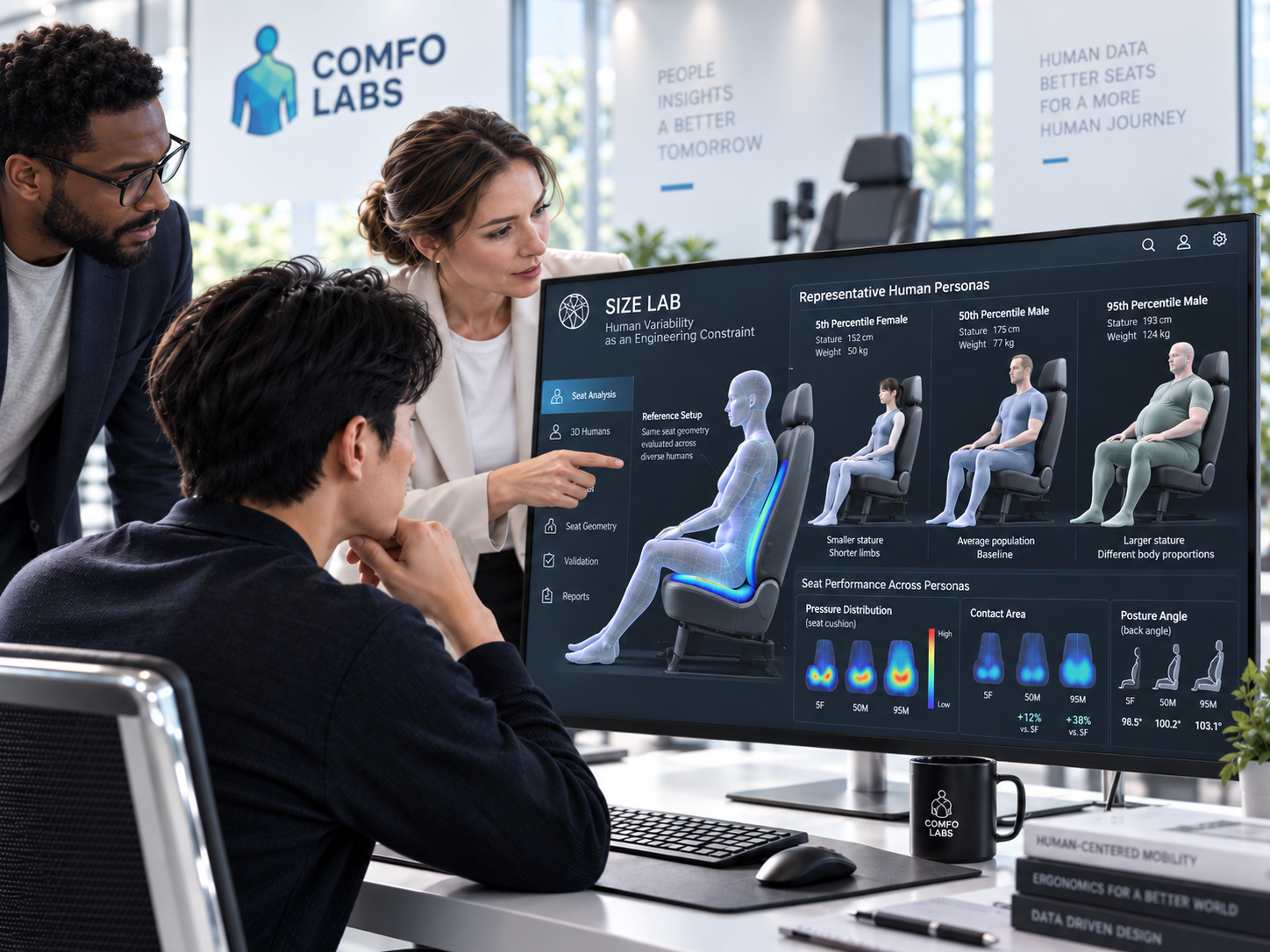
How Digital Humans Can Improve Automotive Seat Design Before Physical Prototyping
Digital humans let teams test automotive seat design before prototyping. Learn how virtual occupant evaluation catches fit problems earlier.
-
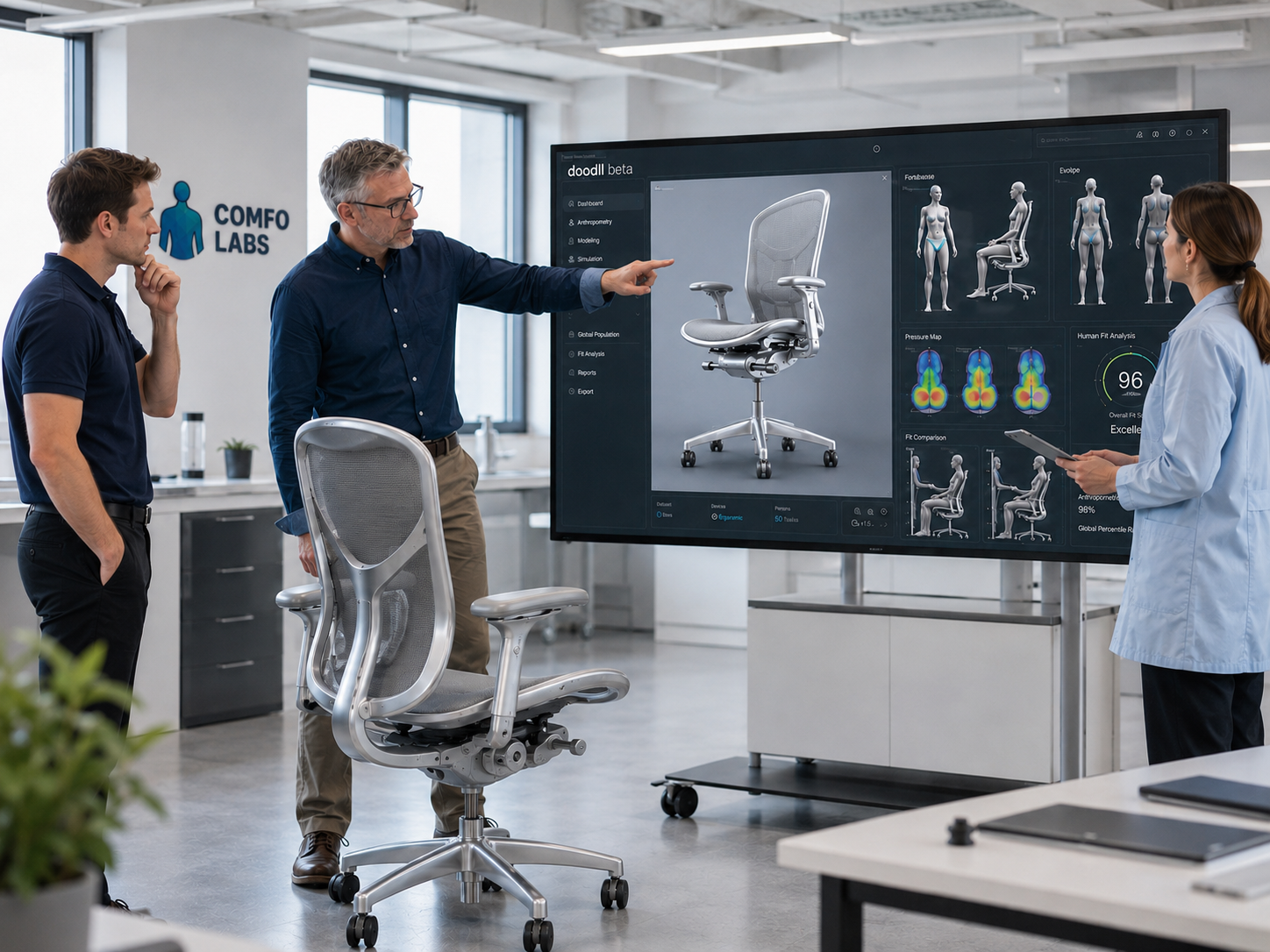
Designing for the World: Why Standardized Anthropometric Data Matters in Global Product Development
Why standardized anthropometric data matters for global product development, and how 3D human data helps products fit users in every market.
-
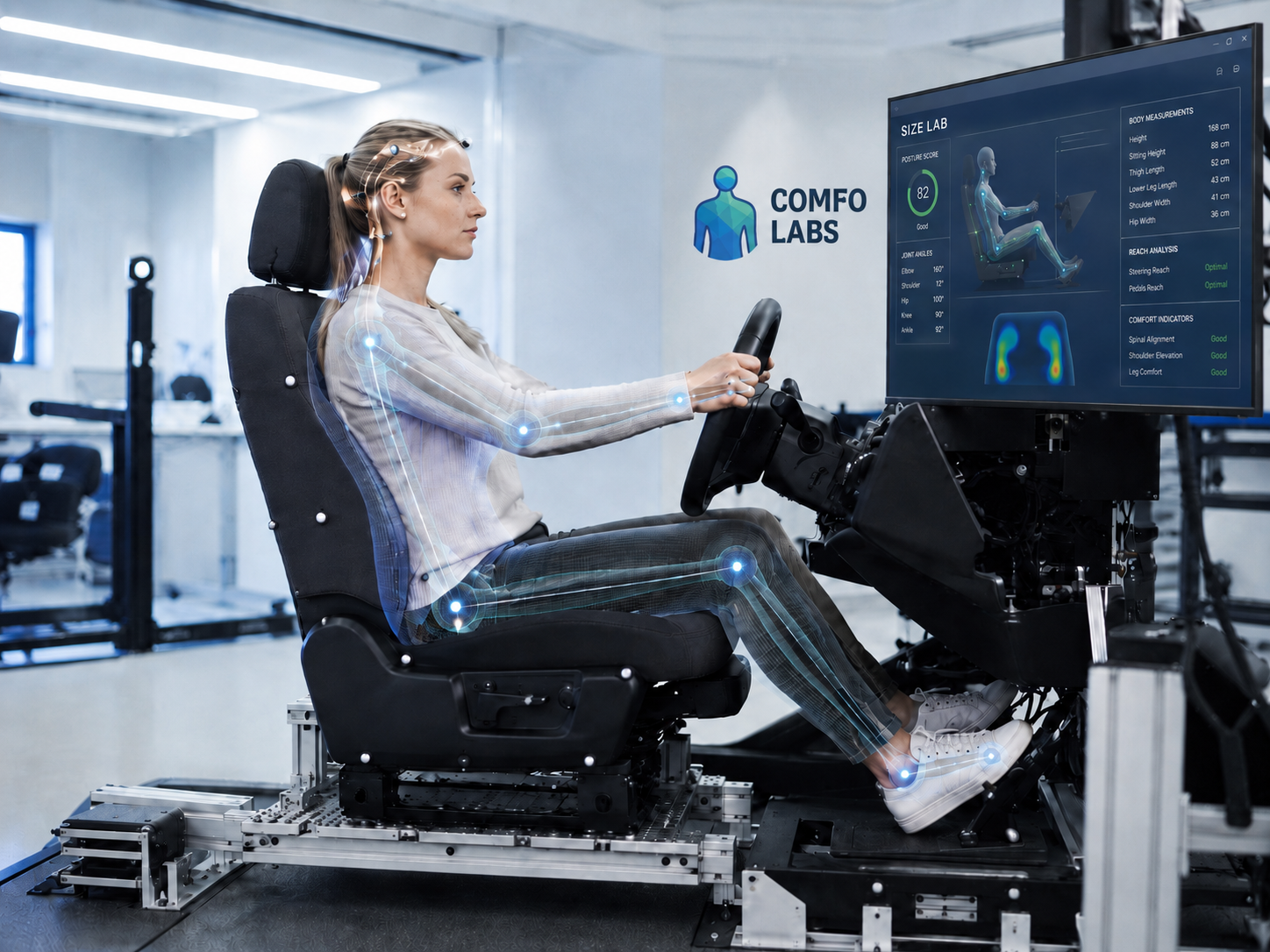
Product Development AI Needs to Understand Humans, Not Just Generate Designs
Product development AI must understand how people vary, not just generate shapes. How human data turns human variability into engineering input.
-
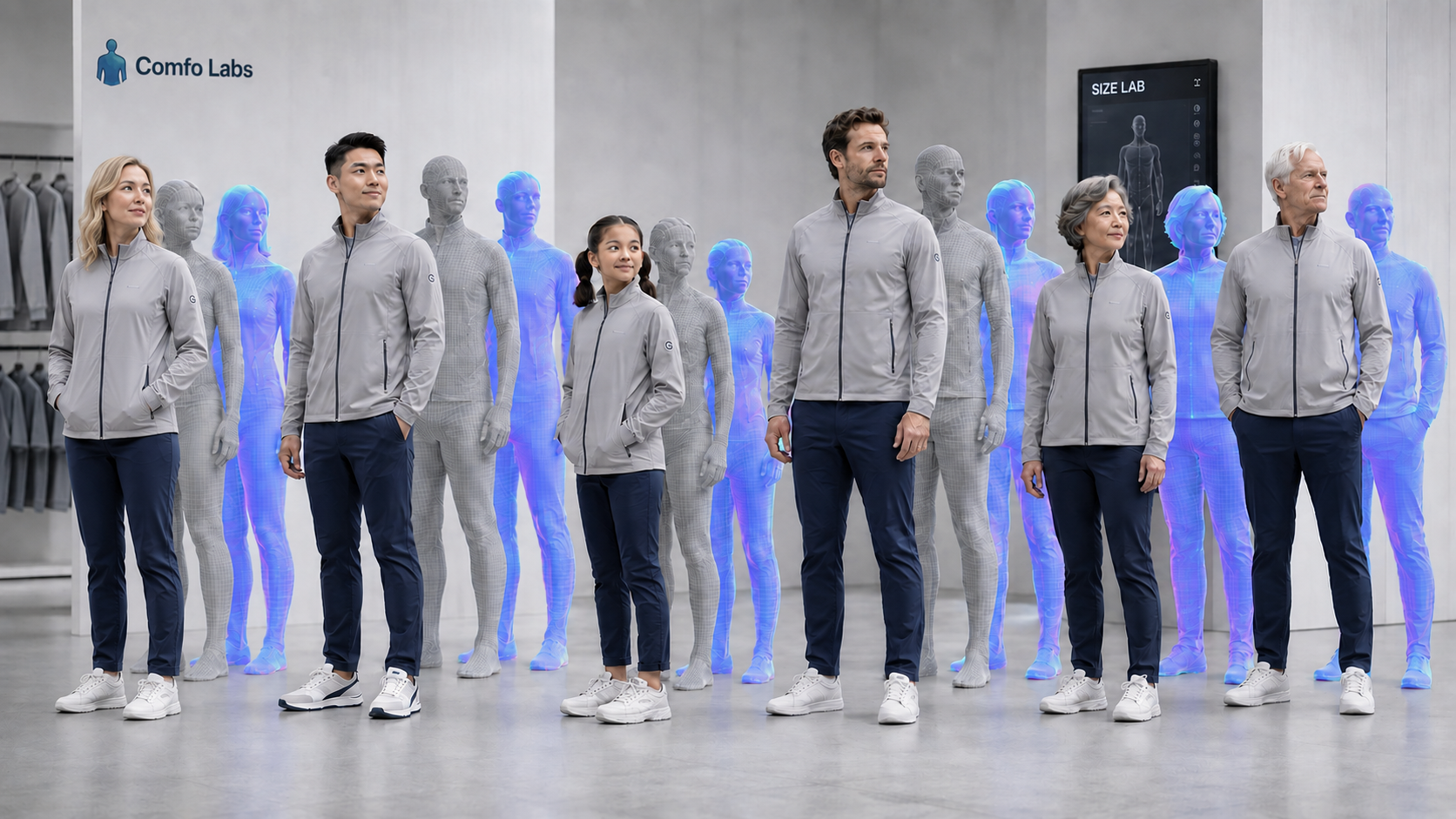
Why Large-Scale 3D Human Body Data Matters for AI-Driven Product Innovation
Why large-scale 3D human body data is essential for AI-driven product innovation, from body scans to computational design intelligence.
-

Human-in-the-Loop AI for Human-Centered Product Design and Validation
Human-in-the-loop AI for product design: how 3D personas and human evidence validate AI-generated designs and keep human fit a design constraint.
-

Beyond Measurements: How 3D Body Scan Data Is Transforming Product Design
How 3D body scan data is transforming product design, from replacing averages to building digital human models for virtual fit validation.
-
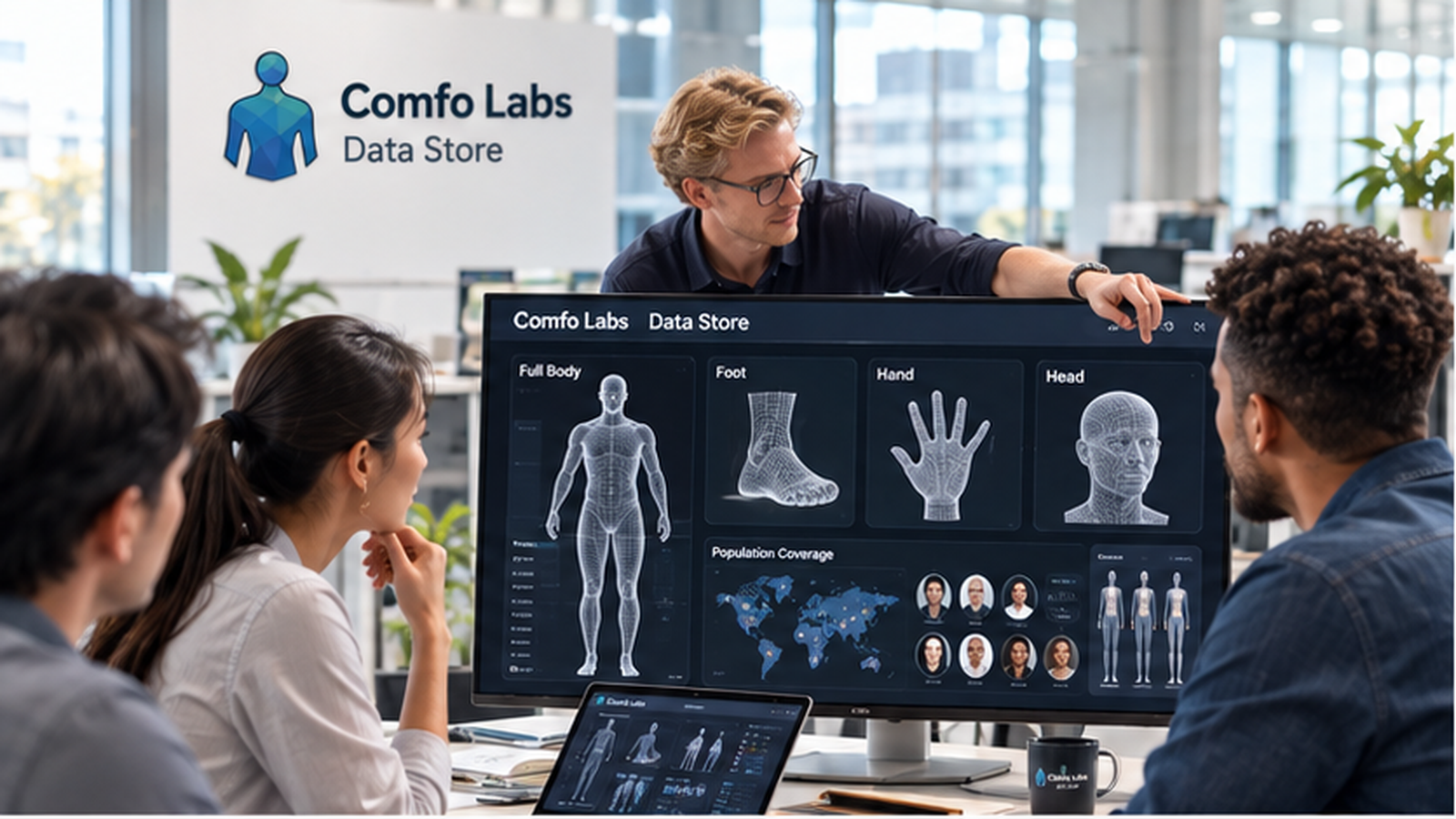
Buying Anthropometric Data Online: A Faster Path to Human-Centered Product Design
Buying anthropometric data online speeds up human-centered design. Learn how development-ready human data supports fit and virtual evaluation.
-

From AI-Generated Design to Human-Fit Validation: A New Product Development Workflow
A new product development workflow from AI-generated design to human-fit validation, using human variability data and digital humans.
-

Physical AI Is Entering the Human World
Physical AI is moving into human environments. Why robots and intelligent systems need human body data, not average models, to work safely.
-
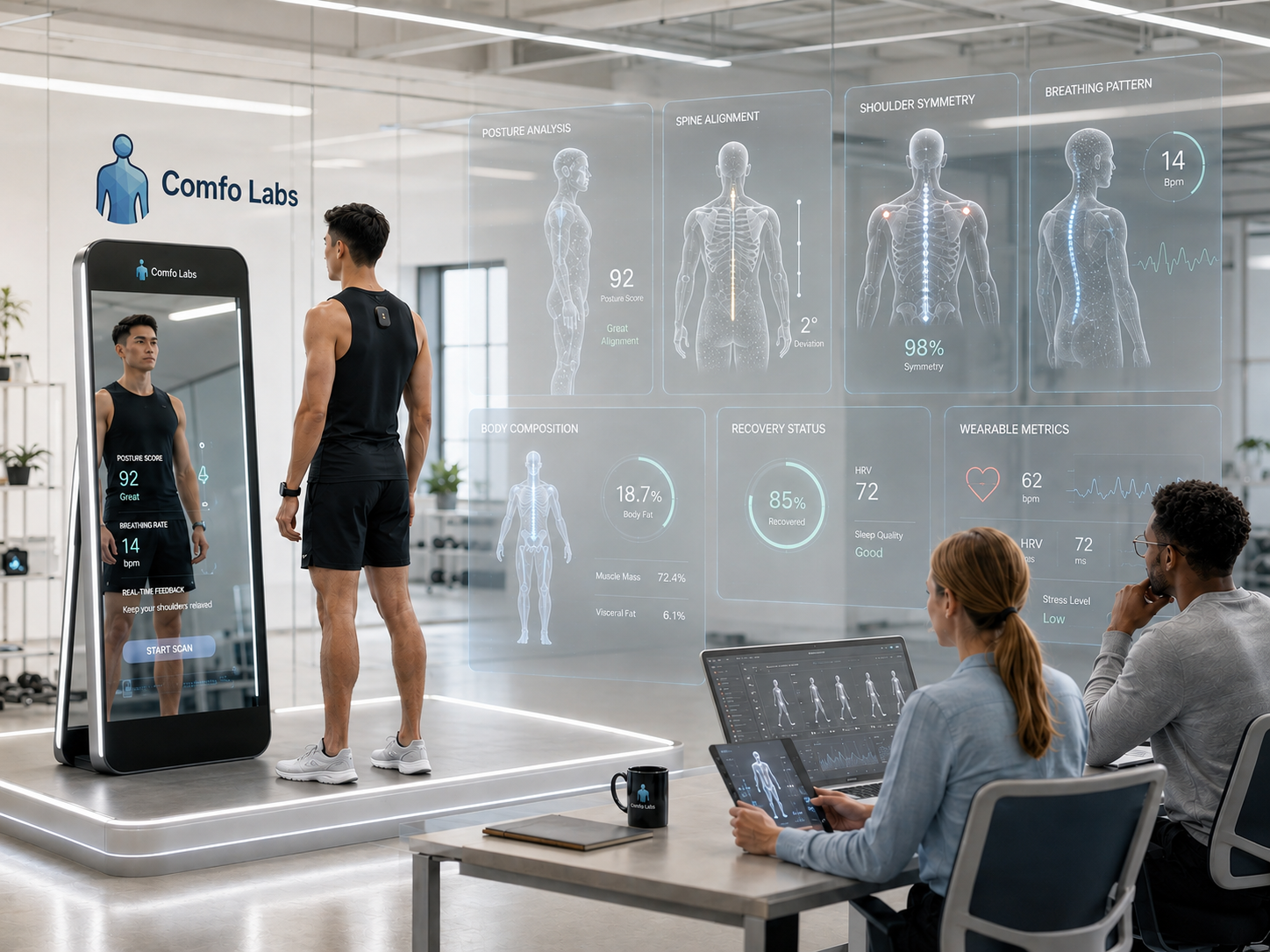
Teaching AI to Understand the Human Body: 3D Human Data, Digital Humans, and Product Validation
Teaching AI to understand the human body: how 3D human data and digital humans give AI a computable model of human diversity for validation.
-

Beyond Joint Angles: How 3D Human Body Data Is Redefining Human-Centered Product Design
Beyond joint angles: how 3D human body data and dynamic digital humans capture real human interaction for human-centered product design.