
Tag: digital human model
-
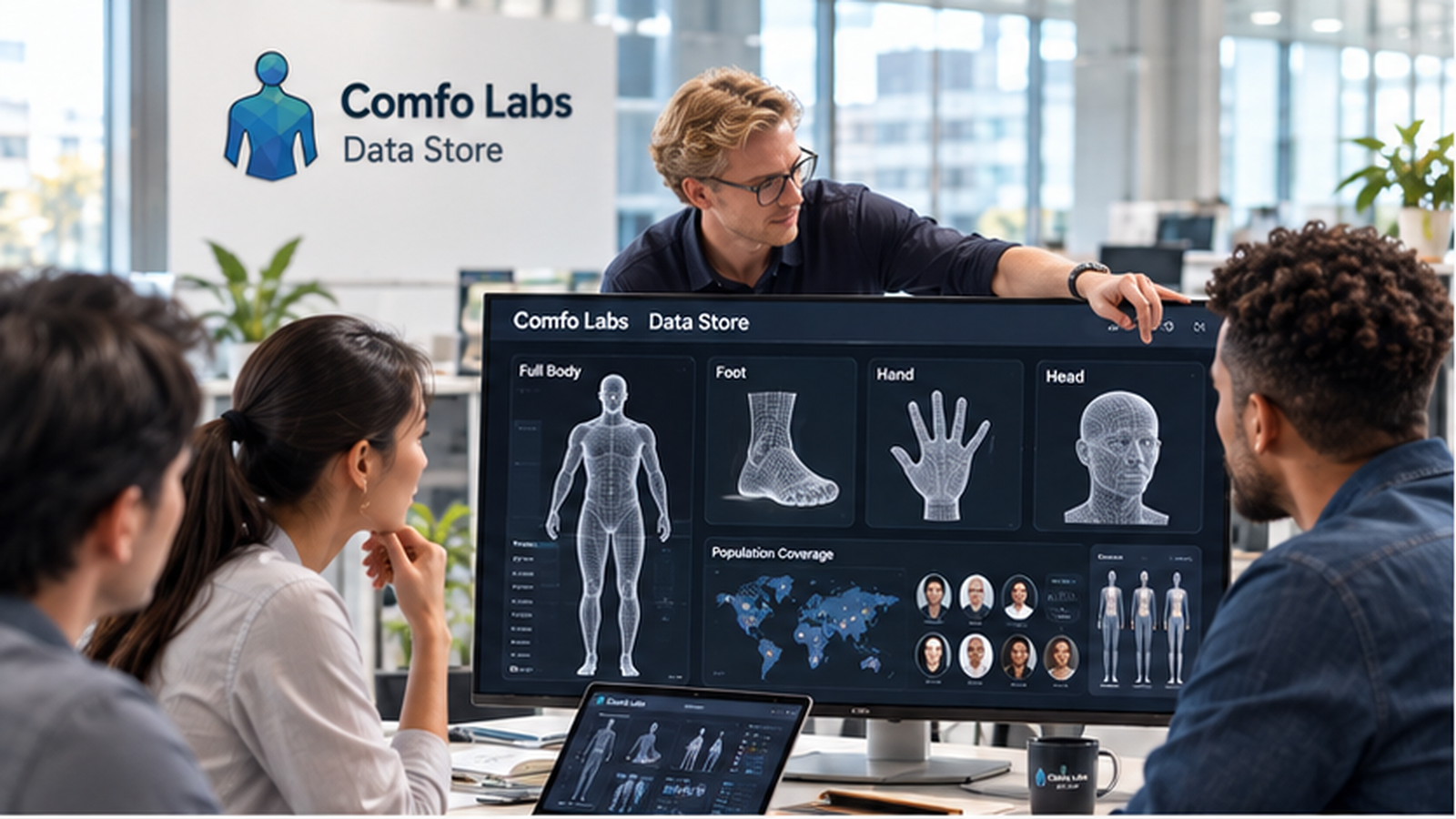
Buying Anthropometric Data Online: A Faster Path to Human-Centered Product Design
Anthropometric Data as Development Infrastructure Product teams have long used anthropometric data to determine dimensions, clearances, reach zones, adjustment ranges, and other physical requirements. What is changing is how that data enters the development process.…
-

How Comfo Labs Data Store Accelerates Human-Centered Product Development
The Human Data Bottleneck in Modern Product Development Product development is becoming faster, more digital, and more dependent on evidence. AI-assisted ideation can generate product concepts in minutes, cloud-based engineering tools can connect distributed teams,…
-

Why Industrial Digital Twins Need Humans in the Loop: Predicting Worker Motion, Fatigue, and Risk
The Missing Human Layer in Industrial Digital Twins Industrial digital twins have changed how manufacturers plan, operate, and optimize complex systems. Factories can now maintain virtual representations of production lines, machines, material flows, energy consumption,…
-
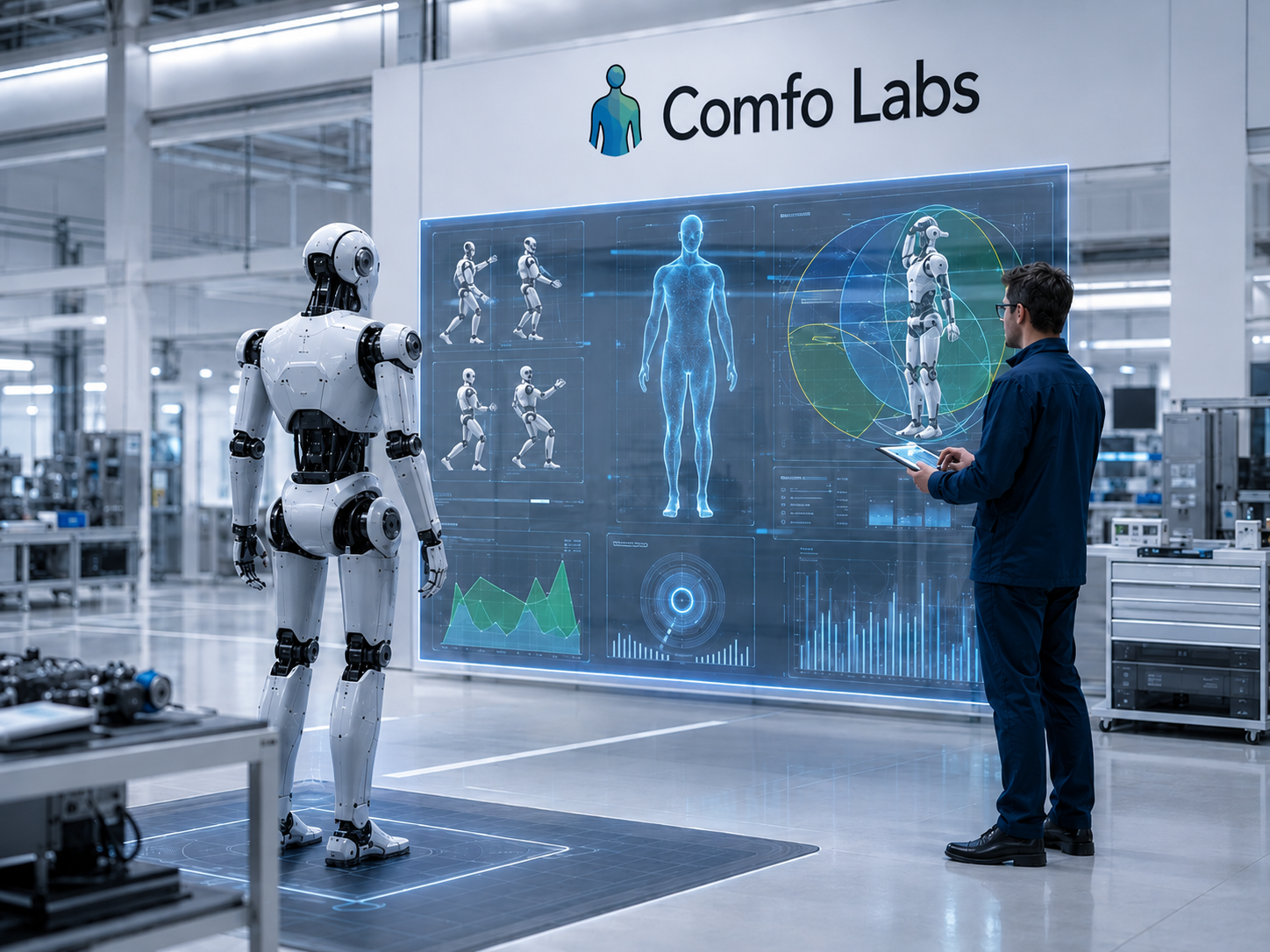
How Humanoid Robots Learn to Move Like Humans: Human Body Data, Motion Intelligence, and AI Simulation
Humanoid Robots in Human-Built Environments Humanoid robots are moving beyond controlled demonstrations and into environments designed around the human body. In manufacturing and logistics, they are being developed to transport components, handle tools, move between…
-

How 3D Human Body Data Is Transforming Personalized Healthcare
The Shift from Population Averages to Individual Body Evidence Healthcare has traditionally described the human body through a limited set of measurements: height, weight, body mass index, blood pressure, age, and other standardized indicators. These…
-

Beyond Generative Design: The Rise of Human-Aware AI Agents in Product Development
The Shift from Product Generation to Design Judgment Generative AI has already changed the front end of product development. A text prompt can produce concept images, visualize rough sketches, generate design variations, and increasingly contribute…
-
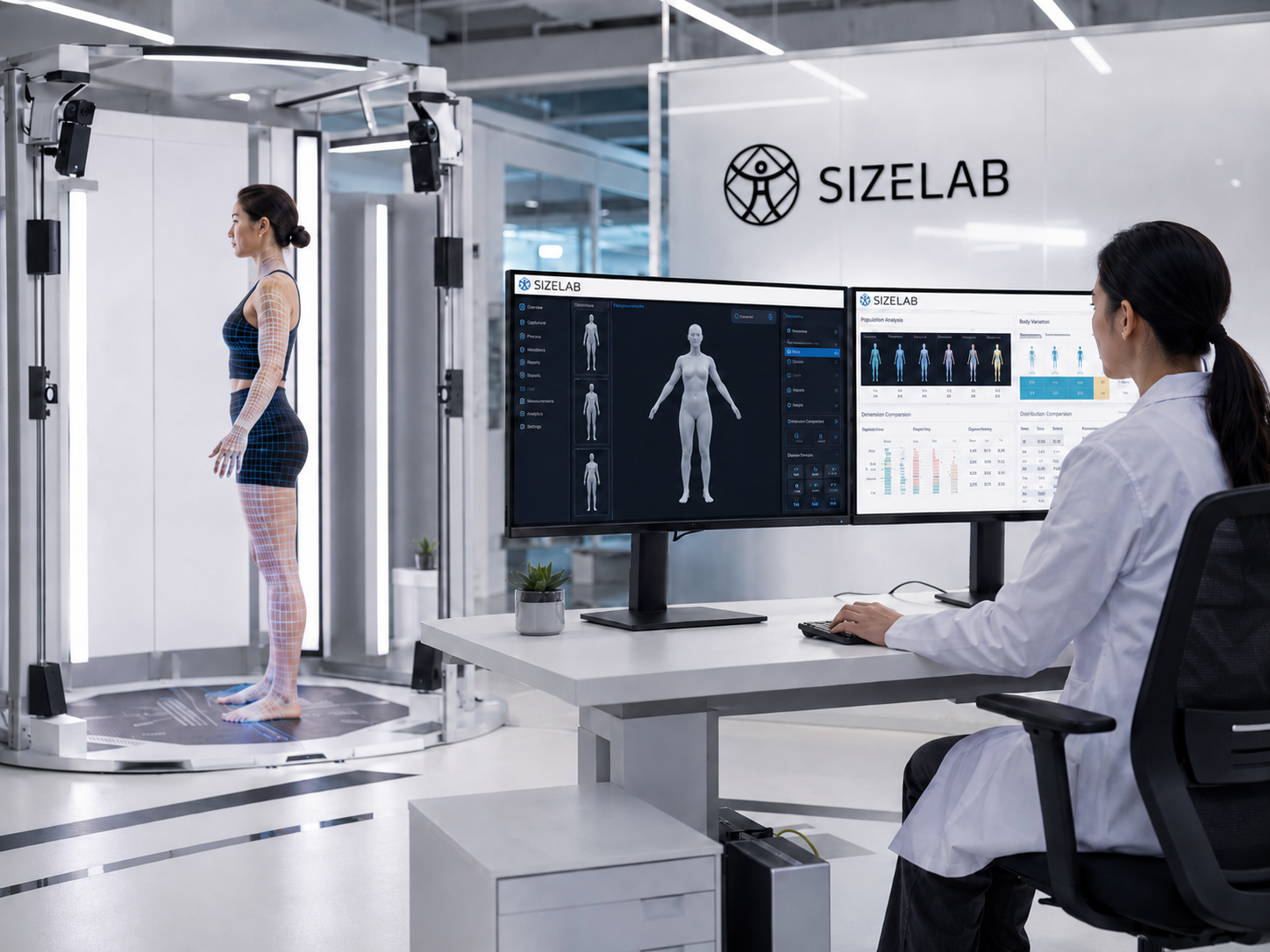
SIZE LAB: Turning 3D Human Body Data into Better Product Decisions
The Limits of Designing Around a Representative User Product teams have access to more user data than ever before, yet one of the most important sources of design intelligence remains difficult to use: the human…
-

How Digital Human Simulation Validates Products Before Physical Prototyping
Product Validation Moving Upstream For decades, physical prototypes have served as the moment when product teams discover whether a design actually works for the people expected to use it. A concept may appear technically credible…
-

Beyond Screens: Why the Next Generation of UX Begins with the Human Body
The Expansion of UX into Physical Interaction For much of the digital era, user experience was defined through screens. Teams measured how quickly users could find a menu, complete a transaction, understand a notification, or…
-

3D Human Body Data and Ergonomics for Next-Generation Product Design
Product Design at the Intersection of Hardware, Software, and the Human Body Products are no longer judged solely by whether their mechanical or digital components function as intended. A vehicle interior must accommodate different body…
-

From AI-Generated Products to Human Fit Validation
Generative AI and the New Speed of Product Creation Generative AI is compressing the earliest stages of product development. Product teams can now turn written requirements into visual concepts, explore dozens of form variations, test…
-

How 4D Human Motion Data Improves Vehicle Accessibility UX
Accessibility as a Dynamic Mobility Experience Vehicle accessibility is often evaluated through fixed dimensions such as door width, roof height, seat position, step height, and the clearance between the seat and surrounding structures. These measurements…