Tag: digital human model
-

Why Robots Are Learning from Human Joint and Motion Data
The Shift from Programmed Machines to Adaptive Physical Intelligence Industrial robots were traditionally designed around highly controlled tasks. Their movements were defined in advance, their operating spaces were separated from people, and even small changes…
-

From AI-Generated Products to Human Fit Validation
Generative Design and the New Speed of Product Ideation Generative AI is changing how product teams move from an idea to a visual concept. A designer can describe a product direction, generate multiple form variations,…
-

Beyond CCTV: How Wearable Human Data Is Redefining Industrial Safety
The Shift from Incident Recording to Risk Detection Industrial safety has traditionally relied on fixed cameras, inspection records, access logs, incident reports, and periodic observation. These systems remain essential, but they primarily describe what can…
-

Why Smart Glasses Need Better Facial Data for Fit, Comfort, and Performance
Smart Glasses Are More Than Electronics Worn on the Face Smart glasses are often evaluated by their displays, cameras, processors, and AI capabilities. But no matter how advanced the technology becomes, every smart-glasses system must…
-

Beyond Spinal Traction: How Human Body Data Is Shaping the Future of Decompression Therapy
Why Decompression Therapy Must Move Beyond Standardized Traction Spinal decompression devices have traditionally been developed around a relatively straightforward mechanical principle: applying controlled traction to reduce pressure on specific areas of the spine. This principle…
-

Why Digital Twins Began with the Human Body
The Human Body Was the First Complex System Worth Recreating When people hear the term digital twin, they often think of factories, aircraft engines, buildings, or smart cities. Yet the underlying idea began much closer…
-

Designing Workspaces Around Real Human Movement: Why 4D Motion Data Matters
Moving Beyond Static Measurements in Workplace Design For decades, many workspaces have been designed around static dimensions: seat height, desk depth, standing reach, clearance space, and average body size. These measurements still matter, but they…
-

How Seat Pressure Data Can Predict Sitting Fatigue and Improve Ergonomic Design
Why Sitting Comfort Is More Than Softness When people think about sitting comfort, they often think about cushion softness, seat thickness, or the first impression of comfort when they sit down. But long-term sitting fatigue…
-
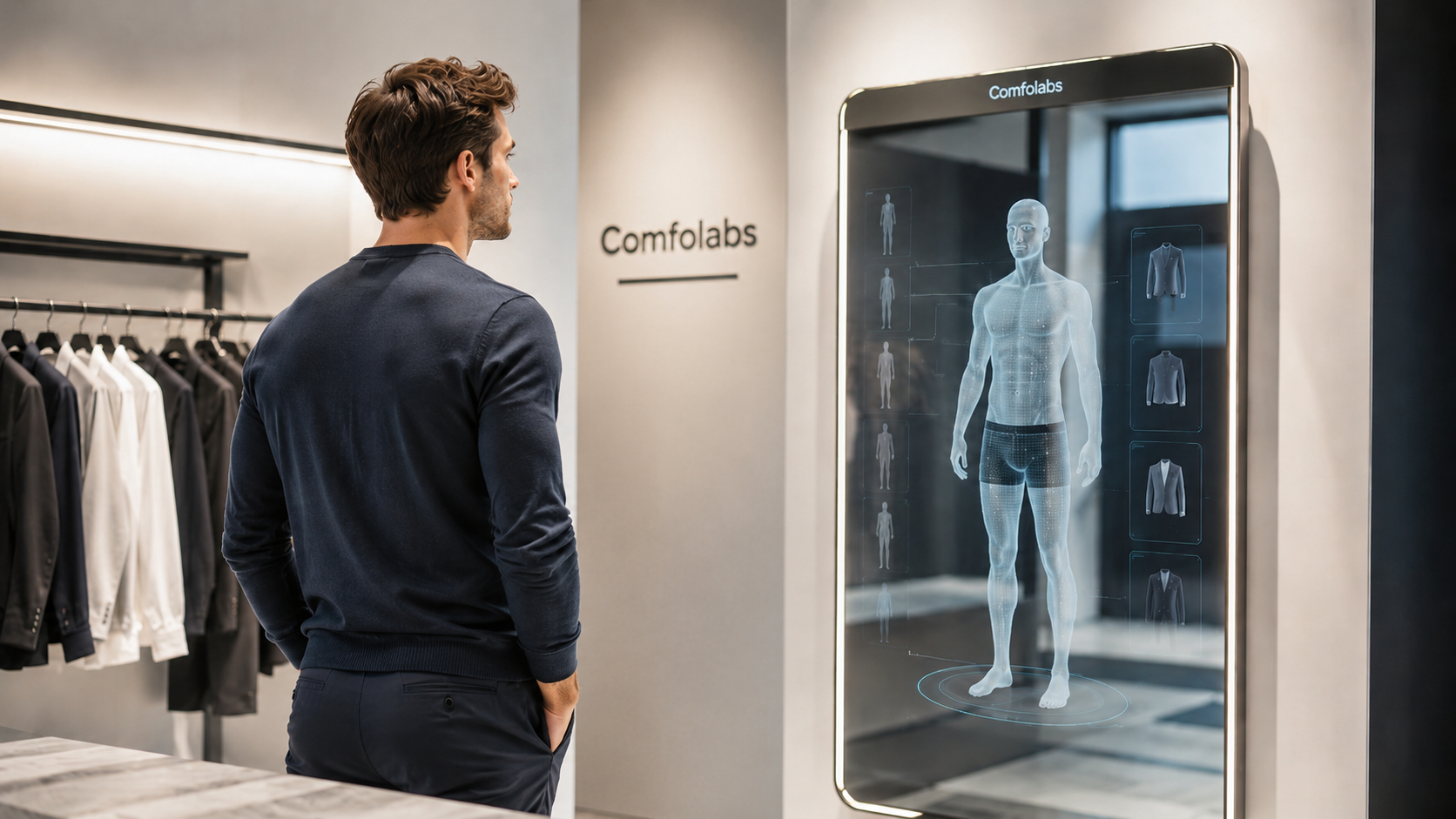
Why AI Size Recommendation Fails: The Limits of Average Body Data
The Rise of AI Fitting and the Demand for Better Product Fit AI fitting, virtual try-on, and size recommendation tools are becoming increasingly important across fashion, wearable devices, healthcare products, sports equipment, and consumer product…
-

Why Wearable Cameras Are Becoming Human Behavior Data Platforms
Wearable Cameras Are Moving Beyond Simple Video Recording Wearable cameras were once understood mainly as compact recording devices. They captured what a person saw, where they moved, and what happened around them. Today, that role…
-

What Comfo Labs Does: Human Body Data for Smarter Product Development
Why Human Body Data Matters in Modern Product Development Product development is moving beyond standard dimensions, broad user categories, and one-size-fits-all design assumptions. Across industries, companies are looking for more accurate ways to understand how…
-

Meet Comfo Labs: Turning 3D Human Body Data into Better Product Design
Why Product Design Needs More Than Average Body Measurements For decades, many products have been designed around averages. A chair height, a wearable band size, a vehicle seat position, or a healthcare device attachment point…
